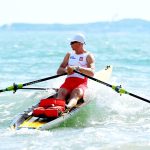
The city of Portimão, Portugal, aims to turn the momentum of the 2026 Inclusive Sailing World Championship into a long-term development opportunity for the sport. After six days of competition and nine events that brought together sailors from 40 countries, the event organised by World Sailing and Associação Vela Solidária highlighted the international growth of inclusive sailing and the talent of its athletes. However, the impact of the championship will extend beyond sporting results: the creation of a new international training and development centre aims to expand training opportunities for athletes with disabilities and strengthen the conditions needed for their competitive progression.
The project will be based at Portimão Marina and provide facilities for Paralympic and inclusive sailors to train throughout the year, with a particular focus on teams that face difficulties training during the European winter. The initiative aims to combine accessible facilities, favourable weather conditions and training programmes to create an international hub. The centre is expected to begin operating in November 2026, with full operations scheduled to start in January 2027. It will also seek to encourage exchanges between athletes, coaches and national teams, turning the championship’s legacy into a permanent platform for development.
Portimão invests in an international centre to promote adaptive sailing
The new International Training and Development Centre will be developed by Associação Vela Solidária, which co-organised the World Championship alongside World Sailing. Its main objective will be to provide a stable training base for international athletes and teams, particularly during the months when weather conditions limit sailing in various European countries. Portimão offers significant advantages for this purpose, including favourable temperatures, suitable sailing waters and accessible infrastructure that allows teams to organise extended training camps. For athletes, having access to facilities of this kind can make a significant difference to the continuity of their preparation by reducing interruptions and supporting technical development throughout the different stages of the season.
Luís Brito, president of Vela Solidária, highlighted the organisation’s ambition to use these conditions to establish Portimão as a global reference point for adaptive and inclusive sailing. The organisation hopes the centre will enable year-round training and attract teams looking for an alternative location to maintain their competitive activity during the winter. International interest is already reflected in agreements with Switzerland, Norway, France and Austria to organise training camps. In addition, the facilities and their operations are expected to undergo a World Sailing certification process to assess their compliance with the relevant standards for sailing for people with disabilities. This process will be important in strengthening international confidence in the project and establishing a common foundation for training programmes.
Training, competition and new opportunities for athletes
The initiative will also benefit Portuguese sailors, who will be able to train and compete alongside athletes from other countries without necessarily facing the financial costs and logistical challenges of travelling abroad. This interaction can encourage knowledge-sharing, learning between teams and access to more diverse competitive experiences. Alongside the centre, Vela Solidária is developing a Winter Circuit, consisting of a series of regattas designed to support athletes’ development and improve their preparation for major international competitions. Combining regular training with opportunities to compete will allow sailors to develop their skills in a more consistent environment, without relying exclusively on major championships to assess their progress.
These measures align with World Sailing’s broader objectives of expanding participation and strengthening the competitive level of adaptive sailing, as the organisation continues its campaign to secure the sport’s reinstatement in the Paralympic Games programme. Progress towards this goal requires athletes to have sustained access to facilities, coaches and competitions, as well as conditions that enable national programmes to develop over time. The Portimão project aims to address some of these needs through a structure that will remain active after the championships have ended. In this way, the investment associated with the 2026 World Championship is being directed towards a permanent development model in which training, accessibility and international cooperation play a central role in the evolution of inclusive sailing.
 Last related articles