Indonesia is seeking a greater presence in international sport through stronger results, new disciplines and the hosting of major competitions. Gold medals for Veddriq Leonardo in speed climbing and Rizki Juniansyah in weightlifting at Paris 2024 marked a historic breakthrough: they were the country’s first Olympic titles outside badminton. With Los Angeles 2028 the next target, the Indonesian Olympic Committee is working to build on its sporting strengths and expand its relationships with federations and organisations overseas.
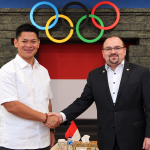
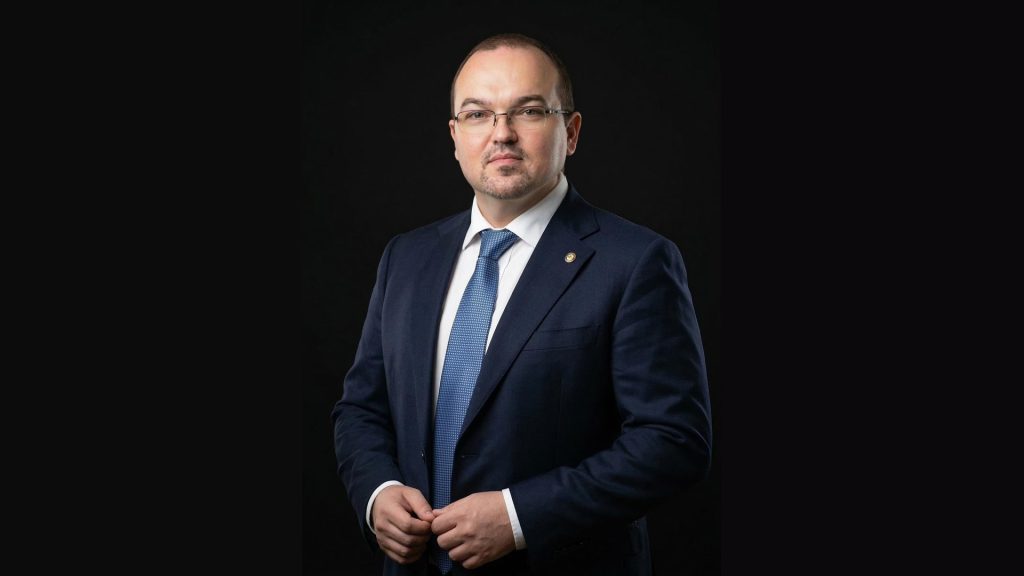
In this interview with SportsIn, a special advisor to the committee’s president explains his role in that international outreach and the opportunities he sees for a nation of more than 280 million people. His connection with Indonesia began at the Jakarta 2018 Asian Games, when he was promoting teqball. His priorities now include attracting competitions, exchanging expertise and contributing to the country’s ambition to host the Olympic Games. His vision combines sporting performance with greater Indonesian influence within the Asian and global Olympic Movement.
“Its traditions could benefit the whole world”
Question. You are beginning a new chapter in Indonesia, working closely with the leadership of the Olympic Committee. What attracted you to this opportunity, and what excites you most about contributing to the development and international ambitions of Indonesian sport?
Answer. It began in 2018, when I was promoting a different sport: teqball. While I was in Jakarta for the Asian Games, teqball received its first recognition from the Olympic Council of Asia -OCA-. From that moment, I fell in love with Indonesia and decided that, one day, I would settle here and contribute something meaningful.
The people are wonderful, the country is beautiful and, above all, it is actively developing projects across sport, business and culture. Its traditions could benefit not only Europe but the whole world. What excites me most is helping a nation of more than 280 million people turn its passion for sport into international results and a stronger global voice.
Q. As advisor to the president of the Indonesian Olympic Committee, what are your main responsibilities and priorities? Where do you believe your international experience can make the greatest contribution?
A. I serve as special advisor to the president. The role has no strictly defined written job description; I am directly involved in international relations, particularly with international federations. I handle many of our international sporting contacts, and when the president cannot attend a meeting, I represent him, although we often attend together.
My international experience can contribute most by opening doors to federations, bringing new sports and events to Indonesia, and exchanging expertise with Olympic organisations around the world.
New sports and the road to Los Angeles 2028
Q. Indonesia has more than 280 million people and a strong sporting culture. Which sports are currently the most popular, and where do you see the greatest potential to develop new disciplines, strengthen existing ones and attract younger generations?
A. Indonesia has its own indigenous sport, pencak silat, a martial art that blends combat and cultural tradition. There is also great emphasis on football and basketball, and a strong tradition in badminton, weightlifting, archery, sport climbing, shooting and swimming.
Newer sports are taking root too. At the 2026 Asian Games, Indonesia won medals in both teqball and padel, and it is gratifying to see such passion invested in sports that are still developing. The greatest potential lies in strengthening the proven disciplines, growing these emerging sports and using visible role models, such as the Paris 2024 gold medallists, to inspire younger generations.
Q. Looking ahead to the Los Angeles 2028 Olympic Games, what are Indonesia’s main sporting priorities? Which disciplines offer the greatest opportunities for success, and how is the committee working to strengthen the country’s international competitiveness?
A. Indonesia has competed at the Olympics since 1952 and has won forty medals: ten gold, fourteen silver and sixteen bronze. Badminton has produced eight of the ten golds. At Paris 2024, Indonesia won two golds, through Veddriq Leonardo in speed climbing and Rizki Juniansyah in weightlifting, and a badminton bronze through Gregoria Mariska Tunjung. The two golds matched the country’s best-ever tally at a single Games and were its first outside badminton.
For Los Angeles 2028, we will keep our focus on the core sports where we already achieve results, while also looking closely at the new sports joining the Olympic programme. We also want to build partnerships with European countries. Wherever I travel, I exchange ideas with Olympic organisations, and we are developing collaborations to share knowledge and expertise.
International events and Olympic ambitions
Q. Indonesia has already demonstrated its ability to host major international sporting events. Is there a broader strategy to attract more world championships, continental competitions and other major events? How important could this be for the country’s sporting development and international visibility?
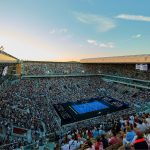
A. Indonesia has already shown it can deliver, from the 2018 Asian Games to the 2025 World Artistic Gymnastics Championships in Jakarta. It also maintains its place on the international calendar through events such as the Indonesia Open badminton tournament and MotoGP at Mandalika.
My aim is for Indonesia to host as many international events as possible. Hosting brings top athletes to the country, inspires young people, raises Indonesia’s international visibility and builds the track record that any future Olympic bid needs.
Q. Indonesia has expressed its ambition to host the Olympic Games, including discussions about a potential bid for 2036. Does this remain part of the country’s long-term sporting vision? What steps would be needed to become a strong candidate?
A. Yes, the ambition remains part of Indonesia’s long-term vision, and becoming the first country from the Association of Southeast Asian Nations -ASEAN- to host the Games would be historic.
The key steps are constructive dialogue with the International Olympic Committee -IOC-, a credible and sustainable Games concept, a continued record of well-run international events, lasting government and public support, and strong sporting results.
Q. Looking five or ten years ahead, what would you personally like to achieve through your work with the Indonesian Olympic Committee? How do you envision the country’s international position, both in Olympic performance and in its influence within the Asian and global sports movement?
A. I would like Indonesia to become an important centre for sports development and sporting culture, and to host as many international events as possible.
In Olympic terms, I hope to see medals across a broader range of sports, building on Paris 2024. Beyond results, I see Indonesia as a bridge between Asia and Europe, sharing its traditions with the world, starting with pencak silat, and carrying greater weight in the Asian and global sports movement.
 Last related articles