As Africa hosts its first Youth Olympic Games, the ANOCA President joins IOC leadership in strengthening athlete representation and cooperation across the Olympic Movement.
The Dakar 2026 Youth Olympic Games are more than a historic sporting occasion for Africa. They are also providing an opportunity to strengthen the continent’s voice within the Olympic Movement, with athletes themselves playing an increasingly important role in shaping its future.
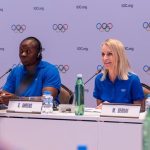
That message was at the heart of a joint meeting between the Athletes’ Commissions of the International Olympic Committee (IOC) and the Association of National Olympic Committees of Africa (ANOCA), held in Dakar on November 6, with the participation of IOC President Kirsty Coventry and ANOCA President Mustapha Berraf.
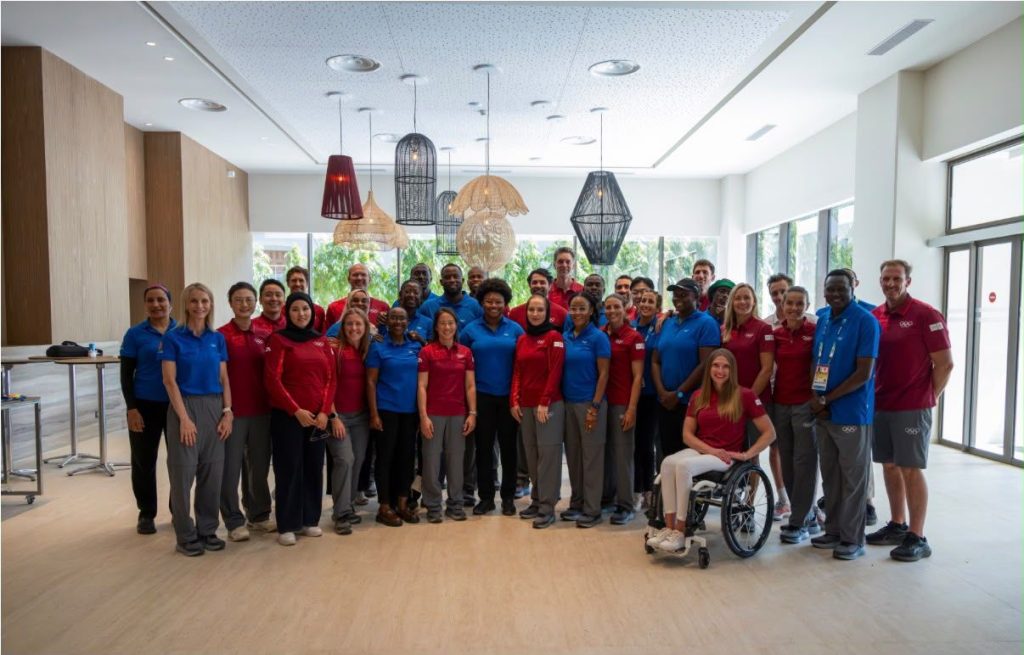
The meeting brought together two institutions committed to expanding athlete participation in Olympic decision-making. Co-chaired by IOC Athletes’ Commission Chair Pau Gasol Sáez and ANOCA Athletes’ Commission Chair Gaby Ahrens, it provided a platform for exchanging experience, reviewing ongoing initiatives and identifying opportunities for closer cooperation.
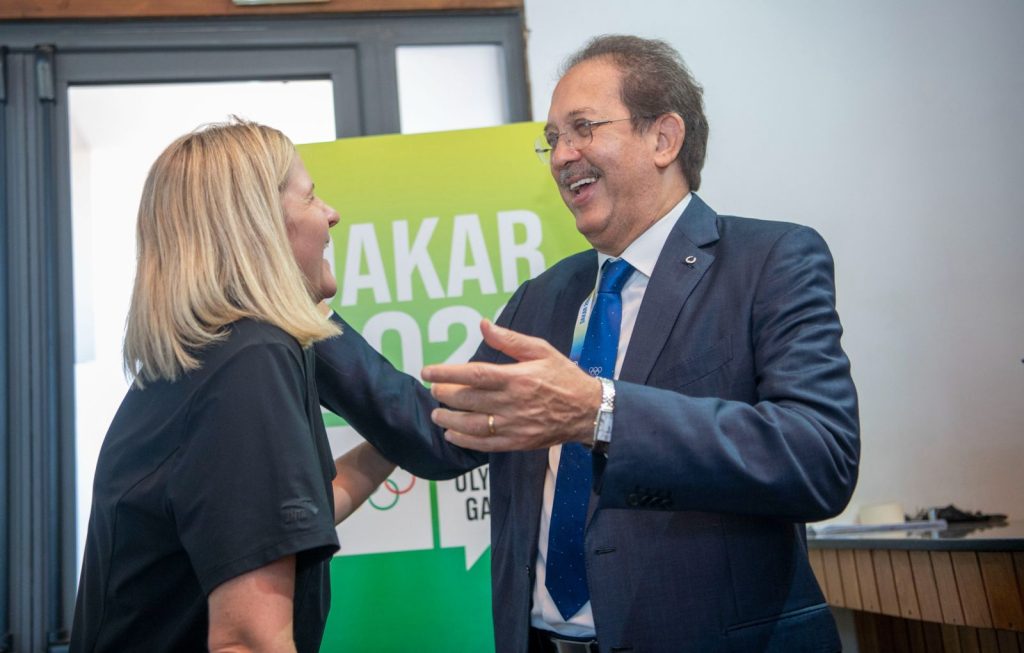
For Berraf, the occasion carried particular significance. As President of ANOCA, an IOC Member and Vice-President of ANOC, he has been closely associated with Africa’s growing presence in international Olympic affairs. Dakar 2026 offers a visible expression of that progress, bringing the Youth Olympic Games to African soil for the first time.
In his opening remarks, Berraf recalled the aspirations of generations who had dreamed of seeing Africa welcome such an event. His message extended beyond sporting competition, emphasizing the responsibility of Olympic institutions to provide young people with opportunities to develop their abilities and pursue their ambitions.
“Thank you to Senegal and its people for opening their arms to the youth of the world,” Berraf declared.
His participation also reflected an important personal connection with the athletes whose interests were being discussed. Before assuming leadership responsibilities in international sport, Berraf represented Algeria in basketball for 12 years, competing at a high international level. That experience gives an additional dimension to his involvement in initiatives designed to strengthen athletes’ representation.
The presence of IOC President Kirsty Coventry, herself one of Africa’s most accomplished Olympians, reinforced the significance of the meeting. Coventry praised the work of both commissions and encouraged their members to ensure that athletes’ perspectives receive greater attention throughout the Olympic Movement.
The cooperation between the IOC and ANOCA Athletes’ Commissions was not limited to institutional discussions. The athlete engagement program at Dakar 2026 was organized in partnership with ANOCA’s Athletes’ Commission, placing the host continent’s athlete representatives directly within the activities surrounding the Games.
During the meeting, Gaby Ahrens and her colleagues presented their ongoing work, while both commissions explored ways to deepen their relationship and expand opportunities for athletes to contribute to Olympic governance.
The discussions concluded with an IOC-led workshop examining the Olympic brand and the meaning of the Olympic rings from the athletes’ perspective. It was a reminder that the Olympic Movement’s identity is shaped not only by its institutions, but also by the experiences and aspirations of those who compete.
For ANOCA, the Dakar gathering demonstrated how continental and international Olympic structures can work together around a shared objective: ensuring that athletes have a meaningful place in the development of sport.
For Berraf, it was another opportunity to place that objective at the center of his institutional engagement, connecting Africa’s historic Olympic milestone with a broader commitment to youth development, cooperation and athlete representation.
As Dakar 2026 unfolds, the significance of Africa’s first Youth Olympic Games will extend well beyond the results on the field of play. The relationships strengthened in Senegal, and the opportunities created for athletes to participate in shaping their own future, may prove among the event’s most valuable legacies.
 Last related articles