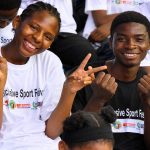
More than 100 young people gathered in Lusaka on Friday 20 November for an Inclusive Sports Festival promoting equal opportunities and social participation through sport. The event brought together national and international organisations, including the International Judo Federation and the Norwegian Olympic Committee.
Held under the theme “10 Years of Championing Inclusion, Equity and Dignity Through Sport,” the festival brought together young people from different social backgrounds and with diverse abilities. Participants gathered on the tatami before taking part in other sporting and group activities, creating an environment in which everyone could participate regardless of disability or social circumstances.
One of the most memorable moments came when a young deaf athlete, speaking through a sign language interpreter, said: “I feel accepted. It’s important to mix with other people.” She also thanked the organisers for giving her the opportunity to take part. Her words highlighted a central principle of inclusive sport: participation should mean being accepted as part of a community, not simply being allowed to attend an activity.
The festival followed celebrations marking the tenth anniversary of the Judo for Peace programme at the Meheba Refugee Settlement, held only days earlier. Over the past decade, the initiative has used judo to create educational opportunities, strengthen social connections and support the participation of refugees. Together, the two events reflected a broader approach to sport as a means of building human relationships and supporting communities facing social challenges.
Judo has been part of Zambia’s inclusion initiative since its establishment, with the Zambia Judo Association among its founding members. Its educational values, particularly respect, co-operation and mutual responsibility, provide a strong foundation for such programmes. Nicolas Messner, Judo for Peace Director, represented the IJF at the festival, underlining the federation’s support for initiatives that use sport to promote social participation and inclusion.
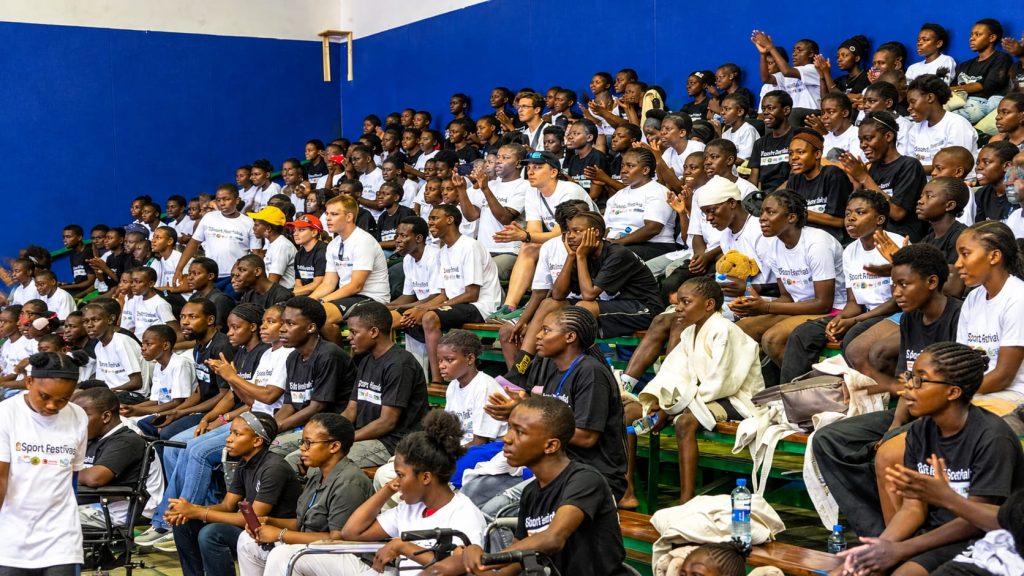
Inclusive Sports Festival
Beyond sporting activities, speakers emphasised the importance of safeguarding, safe sport and effective programme management. Creating equal opportunities requires more than simply inviting people to participate. Accessible facilities, trained staff, appropriate communication methods and an understanding of individual needs are essential. Co-operation between sporting organisations and educational institutions can help identify and address the barriers that prevent people from taking part.
The National Olympic Committee of Zambia, the Norwegian Olympic Committee, the National Sports Council of Zambia, the Paralympic Committee of Zambia and the Zambia Judo Association were among the organisations involved. Their collaboration brought together Olympic and Paralympic structures and national sports organisations around a shared objective: expanding access to physical education and sport, particularly for children whose opportunities may be limited by disability, economic circumstances or refugee status.
The inclusion of refugees was particularly relevant in light of the recent anniversary celebrations in Meheba. Access to sport can provide young refugees with continuity, friendships and opportunities to become involved in the communities where they live. Having a place to train, people to meet and an activity through which to learn and contribute can make a meaningful difference to their everyday lives.
Ten years after the initiative began, the challenge extends beyond organising an annual festival. The question is how to turn the opportunities created by such events into sustainable programmes in schools, clubs and local communities. This requires continued investment, trained personnel and co-operation, as well as a willingness to recognise young participants as active contributors rather than simply recipients of support.
Photos from Muriel Thomas
 Last related articles