The Southeastern Conference -SEC- amended its federal lawsuit against Louisiana State University -LSU- on Monday and called a meeting of its university presidents and chancellors for 3 December. They will discuss whether to expel LSU, a founding member of the conference in 1933. It is the second time in less than three months that the SEC has raised the possibility. This time, LSU had already fielded the player at the centre of the dispute. RJ Luis Jr., 23, had signed contracts linked to National Basketball Association -NBA- teams, but his appearances in the league were limited to preseason games.
The National Collegiate Athletic Association -NCAA- sets the general eligibility rules for college sports. The SEC, one of the country’s major conferences, runs competitions, distributes revenue and can apply stricter rules to its 16 member universities. The lawsuit tests how far a conference can go in enforcing those rules when a state court clears a player to compete. “The lawsuit seeks to protect the Conference’s ability to govern itself and to enforce the rules and policies its member universities have voluntarily adopted,” the SEC said.
Which contracts can rule out a return to college sports
In June, the NCAA approved a new eligibility model for Division I. The previous rule allowed athletes to compete for four seasons within a five-year window. The new model allows up to five years of competition, subject to age and enrolment requirements, and will apply in full to students entering college from autumn 2027. Athletes who had exhausted their eligibility in the 2025–26 academic year were excluded from the extension. Some went to court to seek another year, including players who had already signed with National Football League -NFL- teams.
On 25 August, SEC leaders reaffirmed the conference’s restrictions in American football and men’s and women’s basketball. The policy bars schools from adding athletes to their rosters if they have signed certain professional contracts, appeared on a roster in one of the leagues covered by the rule, or entered the NFL, NBA or Women’s National Basketball Association -WNBA- draft without withdrawing in accordance with the rules. Signing a contract can therefore rule out a return to college competition before a player’s professional debut. According to the SEC’s September court filing, LSU president Wade Rousse backed the policy and abstained in the subsequent vote on penalties. Those included a half-season suspension for the coach and fines of up to half the annual budget for the sport in question.
The three players at the centre of the dispute
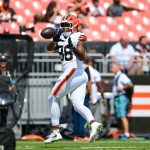
The first dispute concerned Dae’Quan Wright and Zxavian Harris, two former University of Mississippi players who had signed NFL contracts. Wright had a brief spell with the Cleveland Browns, while Harris spent his time with the New Orleans Saints recovering from a foot injury. A Louisiana state judge cleared the way for them to play another year of college football, and the SEC filed its federal lawsuit in Alabama on 3 September. A week later, conference leaders met to consider LSU’s membership. The meeting ended without a vote after the university left both players off its roster.
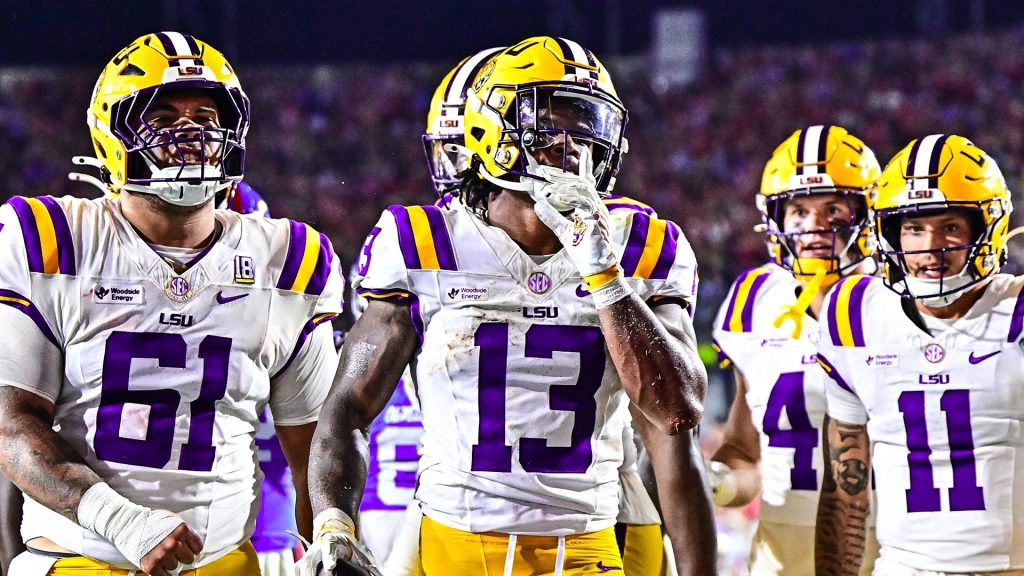
Luis, the Big East player of the year in 2025 with St. John’s, signed with the Utah Jazz and later agreed a deal linked to the Boston Celtics’ affiliate in the G League, the NBA’s development league. On 13 November, he obtained a preliminary injunction in Louisiana that allowed him to play and barred the conference from sanctioning LSU for fielding him. He played 15 minutes against Louisiana-Monroe on 18 November. The following day, Rousse told head coach Will Wade to stop playing him, and Luis stepped away from the team. On Monday, his lawyer, Tony Clayton, said Luis would seek damages from the SEC and its commissioner, Greg Sankey, over an alleged breach of the court order.
The SEC invokes the First Amendment
The SEC is invoking freedom of association under the First Amendment to the US Constitution. It argues that deciding which universities belong to the conference is a separate matter from imposing the disciplinary sanctions barred by the Louisiana court rulings. In its latest request for emergency relief, the SEC is asking the federal court to protect its ability to hold the meeting and decide on LSU’s membership even with Luis off the team. Louisiana attorney general Liz Murrill asked the court in October to dismiss the lawsuit. She argues that the SEC already has the power to decide LSU’s membership and disputes that any constitutional violation has occurred. Georgia attorney general Chris Carr urged the SEC to act on 18 November and raised the possibility of expulsion.
Article 3.1.5 of the SEC constitution requires a vote in favour from at least two-thirds of all university presidents and chancellors to expel a member. The motion must specify the date when the decision would take effect, at which point LSU would lose its right to conference revenue distributions. In the 2024–25 financial year, the SEC distributed $1.03 billion among its universities, with an average of $72.4 million for the 14 schools that participated fully in the distribution. Expulsion would also affect schedules across LSU’s sports programmes and leave the university considering where it might fit in another conference.
The line between college and professional sports
What athletes can earn in college has changed the incentives for those considering a move to the professional ranks. Since 2021, they have been able to sign third-party deals for the commercial use of their name, image and likeness -NIL-. The House v. NCAA settlement, approved in 2025, also allowed participating universities to share revenue directly with their athletes. The College Sports Commission has set a cap of $21.58 million per university for 2026–27. Wright and Harris testified in September that they had each earned around $1 million in college. Harris said the Saints had paid him $190 in travel expenses, and Wright said he would return his $25,000 signing bonus for the chance to play at LSU.
The SEC argues that letting athletes return after signing a professional contract puts students who stayed in college sports at a disadvantage when competing for the same roster spots. Luis’s lawyers question how that standard is applied and say that 13 of the conference’s 16 universities have added players who previously competed professionally. Eligibility cases also involve athletes seeking more time in college sports for other reasons. In September, the NCAA estimated that around 450 athletes had gone to court seeking additional eligibility and that about 300 had been cleared to play, at least temporarily.
 Last related articles