The safety and well-being of athletes have become one of the top priorities for sports organizations around the world. As sport continues to evolve and expand its global reach, so does the need to create environments where athletes, coaches, and communities can develop with confidence, respect, and protection. With this objective in mind, representatives from different disciplines and international organizations gathered in South Africa to exchange experiences and strengthen strategies aimed at ensuring safer sporting environments.
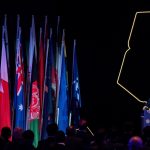
In this context, World Athletics and World Rugby joined forces during the Global Safe Sport Conference, held from May 25 to 27 at the University of Cape Town. The event brought together more than 400 delegates involved in child protection and sports integrity, creating a collaborative platform where experts, researchers, policymakers, and sports leaders discussed current challenges and the actions needed to strengthen athlete protection worldwide.
International Collaboration as a Tool to Strengthen Safe Sport
Organized by Safe Sport International, the conference was designed to examine how safeguarding commitments can be translated into concrete actions within sports organizations. Over three days, participants explored topics related to emerging research, institutional leadership, safeguarding policy development, and cooperation among different stakeholders within the sports ecosystem. The program featured workshops, keynote presentations, research sessions, and working groups aimed at sharing knowledge and practical experiences.
The joint participation of World Athletics and World Rugby helped strengthen African representation at the event. Both international federations supported delegates from their member organizations across the continent, facilitating the creation of professional networks and shared learning opportunities. This collaboration sought not only to exchange best practices but also to strengthen local capacities so that safeguarding advances can be effectively implemented at national and regional levels.
Listening to Athletes and Building Stronger Protection Systems
Among the World Athletics representatives were members of the Athletics Integrity Unit (AIU), who took part in several specialized sessions focused on case management, the development of continental safeguarding networks, and the relationship between sports integrity and child protection. These discussions allowed participants to delve deeper into people-centered approaches, particularly those that consider the emotional and psychological impact of situations affecting athletes.
At the same time, fifteen safeguarding officers from African athletics federations participated in meetings aimed at strengthening regional cooperation. The exchange of experiences highlighted common challenges as well as significant progress in implementing safeguarding measures. Among the key messages emerging from the conference was the recognition that safeguarding is a shared responsibility, the need for greater international harmonization of standards, and the importance of ensuring that athletes’ voices remain at the center of efforts to build safe and respectful sporting environments.
 Last related articles