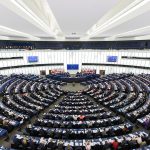
The European Parliament is due to debate whether to maintain sanctions on Russia in international sport on Tuesday 24 November. Several European governments, as well as Canada, have already decided which Russian athletes may enter their countries. International federations, meanwhile, are preparing championships for which they had already cleared Russian athletes to compete.
A second discussion is also under way. The European Commission is preparing a new package of sanctions over Russia’s invasion of Ukraine. According to diplomatic sources, one option under consideration is to bar Russian and Belarusian athletes from international competitions held in the EU. Tuesday’s parliamentary debate will give an indication of the political support for maintaining pressure on Russia. The contents of the EU sanctions package will be decided separately.
From the Czech border to a possible common EU position
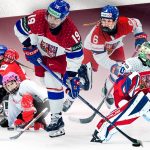
The latest decision came this week, when the Czech government confirmed it would maintain its entry restrictions ahead of the Women’s Under-18 Ice Hockey World Championship, due to take place in Ostrava in January. This is the second time a host country’s entry rules have affected one of the international federation’s junior championships. Days earlier, the federation had confirmed that Russia would miss the Men’s Under-20 World Championship in Canada because of Canadian entry restrictions.
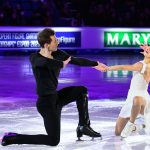
In skiing, Sweden said on Wednesday that it intends to prevent Russian athletes from competing at the Nordic World Ski Championships in Falun, which begin in late February. Finland has already included professional sport in its restrictions on short-term work under a visa. The seven Russian figure skaters who were due to compete at this weekend’s ISU Grand Prix event in Finland will be unable to enter the country. For a federation running an international circuit, the difficulty lies in the calendar. An athlete cleared to compete can take part one week and lose a chance to qualify the next because of where the event is held.
A common EU measure would have to settle questions that countries currently answer differently. The first is whether it would apply only to national teams or also to individual athletes cleared to compete as neutrals. The second concerns championships whose hosts have already been chosen. Organisers, federations and athletes need to know how much notice they would receive and what would happen to places secured before the measure took effect. Figure skating, junior ice hockey and skiing all offer concrete cases for that debate.
 Last related articles