For more than 70 years, the Mediterranean Games have represented one of sport’s most unique traditions, bringing together athletes from Europe, North Africa and the Middle East in a celebration of competition, cooperation and regional identity.
Now, the event could be approaching a new chapter. Francesco Purromuto is expected to be elected president of the International Committee of the Mediterranean Games, a development that could open the door to a new vision for the future of the Games, with a stronger focus on sustainability, governance and global relevance.
Purromuto’s expected arrival would bring a different profile to the leadership of the organisation. While his predecessor Amar Addadi’s presidency was built around stability, continuity and ensuring the successful delivery of the Games through a changing international sporting environment, Purromuto brings extensive experience in sports law, governance and institutional structures, particularly through his work within Mediterranean handball.
That background could prove valuable at a time when international sport is evolving rapidly. The challenge ahead is not only to preserve the tradition of the Mediterranean Games, but also to strengthen their position in the modern sporting landscape.
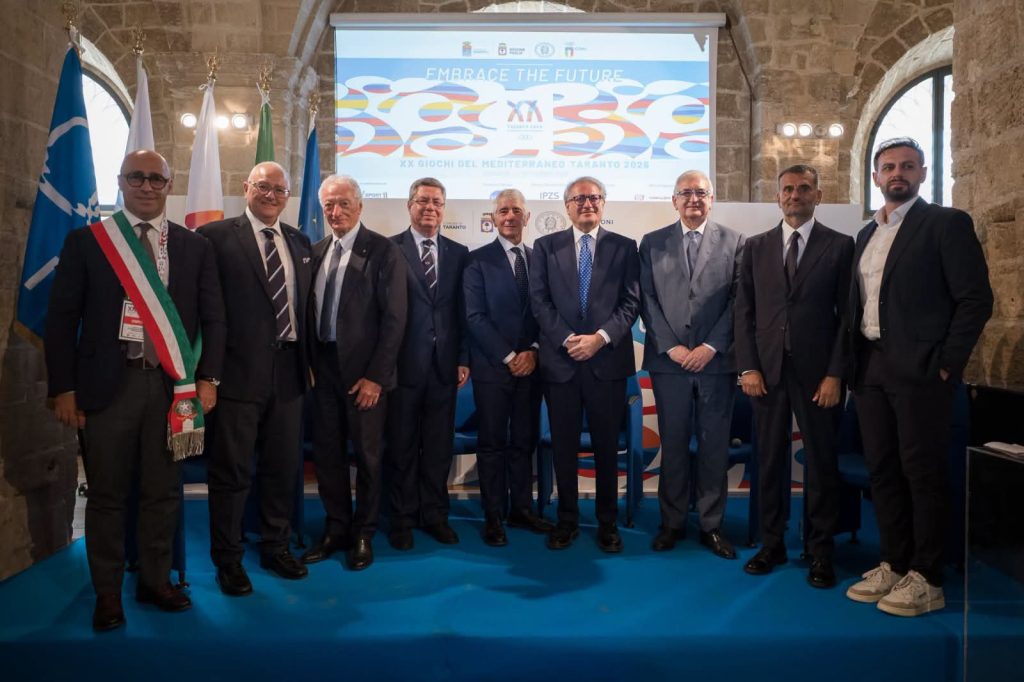
Sustainability shift
One of the most important developments surrounding the 2026 edition is the approach to infrastructure and sustainability. Major sporting events around the world have increasingly focused on avoiding unnecessary construction and ensuring that facilities deliver long-term value after the competition ends.
The decision to accommodate more than 5,000 athletes on two cruise ships rather than building a traditional permanent athletes’ village reflects this changing philosophy. It demonstrates a willingness to explore innovative solutions while reducing costs and limiting the risk of unused infrastructure after the Games.
The future of major sporting events is increasingly centred on flexibility, responsible investment and creating a positive legacy for host communities. Athletes’ villages are now being considered not only for their role during competitions, but also for their potential contribution to society through housing and other long-term uses.
If elected, Purromuto will have the opportunity to help develop this approach into a broader strategy for future editions of the Mediterranean Games.
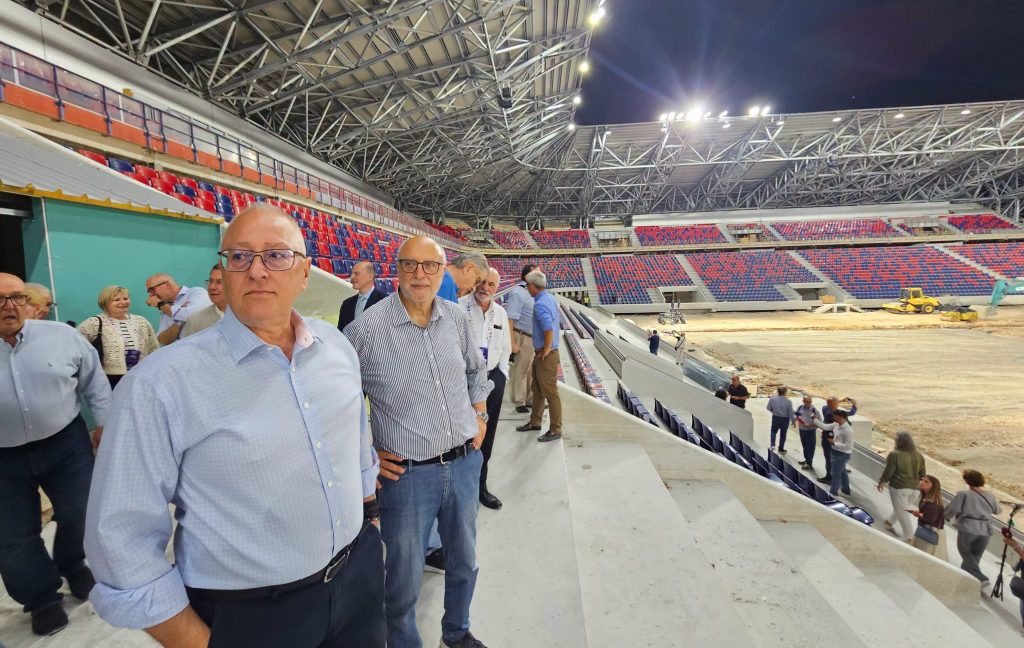
Governance and growth
Governance will also be an important area of focus. Like many international sporting organisations, the ICMG operates in an era where transparency, accountability and strong ethical standards are becoming increasingly important.
The stability achieved in previous years has provided a foundation for the Games, while the next stage may require further modernisation to meet the expectations of athletes, partners, broadcasters and fans.
A stronger governance framework could also support the commercial growth of the event. In today’s sports industry, credibility is closely connected to the ability to attract sponsors, media partners and new audiences.
Another priority will be enhancing the sporting appeal of the Games. Closer cooperation with international federations and improved coordination of competition calendars could help encourage the participation of more elite athletes, increasing both competitive quality and global attention.
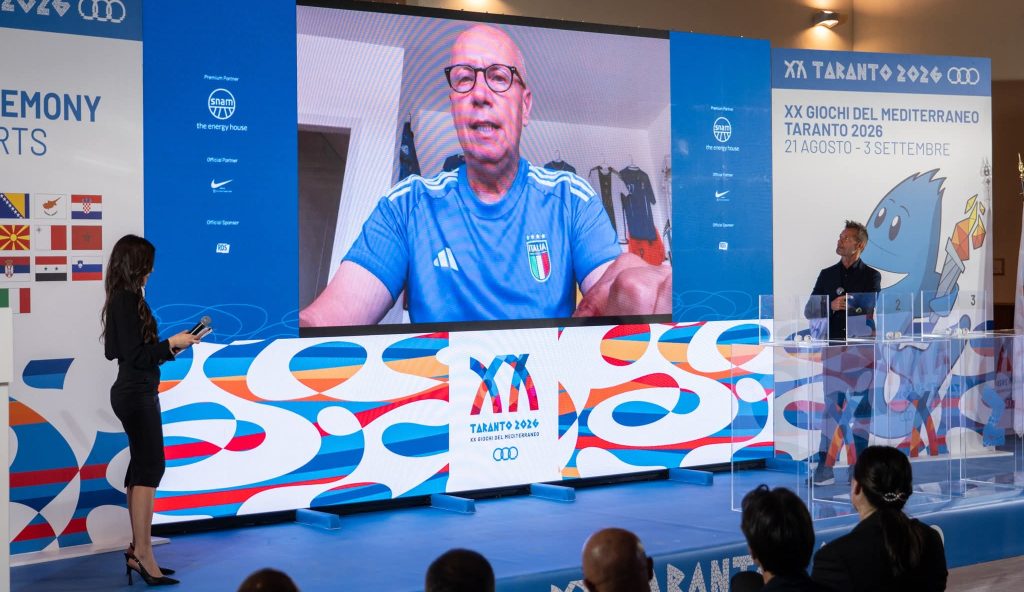
The changing media environment presents another opportunity. With audiences increasingly consuming sport through digital platforms and streaming services, the Mediterranean Games have the potential to reach new generations of fans through innovative content and modern storytelling.
Beyond competition, the Games continue to represent something larger by connecting different cultures and regions around the Mediterranean. In an area with deep historical and political complexity, sport remains a powerful tool for dialogue, cooperation and understanding.
A leadership approach built on governance, neutrality and institutional balance could further strengthen this unique role.
The expected election of Purromoto is therefore not simply a change in leadership. It represents an opportunity to consider how the Mediterranean Games can continue to evolve while preserving the values that have defined them for more than seven decades.
If he receives the mandate of the ICMG members, the measure of success will be whether the Games can become more sustainable, more visible and more attractive to athletes, fans and partners around the world.
After decades of gradual development, the Mediterranean Games may now be entering an important new phase.
For now, the sporting world must wait and see whether this potential leadership transition becomes the beginning of a new era for the Mediterranean Games.
 Last related articles