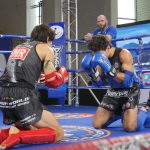
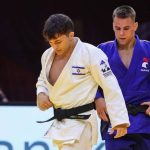
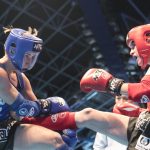
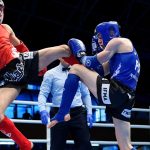
The Ju-Jitsu International Federation -JJIF- staged its 2026 World No-Gi Championships on 22 August at the Sports Center Višnjik – Krešimir Ćosić Sport Hall in Zadar, Croatia. The competition brought the U21, adult and masters divisions together on the same day and awarded points towards the federation’s international rankings. The event was organised by the Croatian Ju-Jitsu Federation, with support from the JJIF event team and officials.
Ukraine topped the medal table with six gold, six silver and nine bronze medals, collecting 21 in total. Canada finished second with five titles and twelve medals, followed by Israel, which secured four golds and ten medals. Austria placed fourth, Greece fifth and host nation Croatia sixth after winning two golds and six bronzes. Athletes from 23 countries earned at least one medal, while Bahrain and Moldova completed the group of delegations that managed to win two titles (see the full medal list here).
Three generations and institutional support
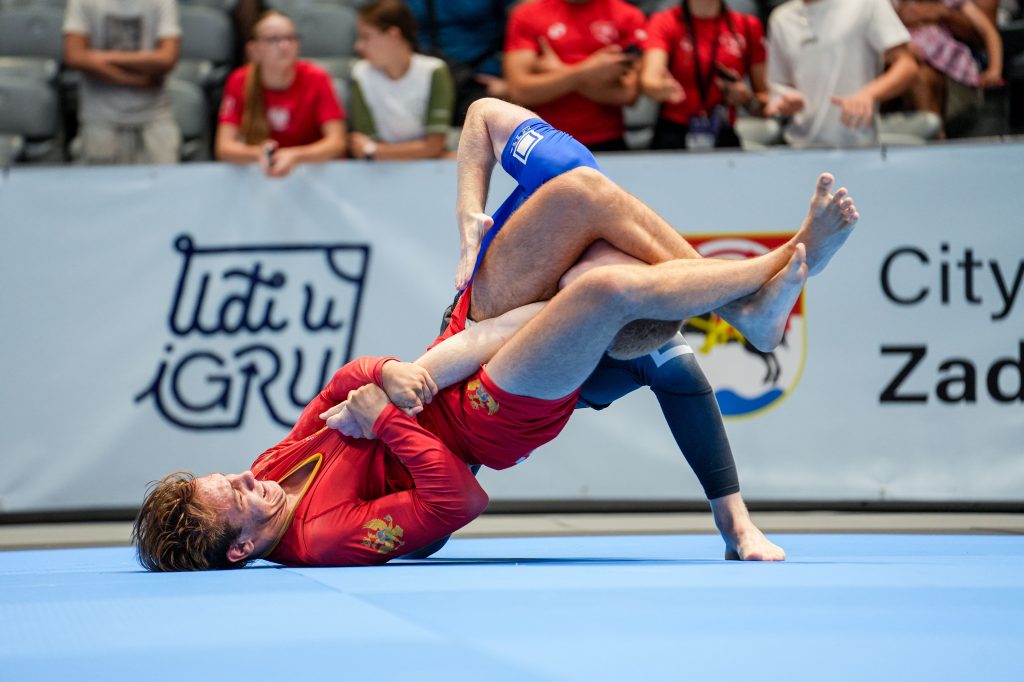
Combining the U21, adult and masters divisions allowed emerging athletes and experienced competitors to take part in the same championship. No-Gi is contested without the traditional uniform, or ‘gi’, meaning that athletes cannot use their opponent’s clothing to establish grips. The JJIF presented the shared structure as a way to expand international opportunities and strengthen continuity between different stages of an athlete’s career.
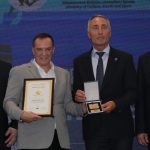
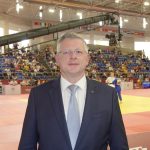
Institutional guests included the Mayor of Zadar, Šime Erlić; the President of the Croatian Olympic Committee, Josip Varvodić; and JJIF General Director Joachim Thumfart. All three participated in the medal ceremonies, representing the city authorities, the Croatian Olympic Movement and the sport’s international leadership. Varvodić attended only a few weeks after being elected as the new president of the country’s National Olympic Committee.
An international ranking event
The JJIF thanked the local organising committee, referees, officials, volunteers, coaches and national federations involved in the event. Staging the championship in Zadar provided No-Gi with a dedicated competition on the international calendar and allowed athletes from three generations to compete in the same world championship environment. Ukraine’s 21 medals, Canada’s total of twelve and the presence of 23 countries on the medal table demonstrated the international breadth of the event.
The World Championships were conducted under version 2.8 of the JJIF Jiu-Jitsu Rules and version 1.2 of its Sporting Code. The results were incorporated into the international ranking system, while participants were also subject to the federation’s Code of Ethics and anti-doping regulations. Applying a common regulatory framework allowed the three age divisions to form part of the same ranking event and ensured that their results were recognised within the JJIF competition structure.
 Last related articles