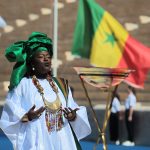
The Dakar 2026 Youth Olympic Games will mark a turning point in sports history: for the first time, an Olympic sporting event will be held on African soil. From October 31 to November 13, Senegal will welcome thousands of young athletes from around the world for an edition that aims to go beyond medals, focusing on gender equality, education, youth engagement and the continent’s sports development. The figures behind Dakar 2026 reflect the scale of an event seeking to bring the Olympic movement closer to new communities and generations.
The competition will bring together approximately 2,655 athletes aged 14 to 17, representing 204 National Olympic Committees, alongside the Refugee Olympic Team, which will participate in the Youth Olympic Games for the first time. The program features 25 sports and 153 medal events, with an equal allocation of places for women and men. However, the impact of this edition will also be measured beyond the sporting venues, through educational programs, professional training, infrastructure improvements and initiatives designed to involve the Senegalese population in the Olympic experience.
Dakar 2026: historic figures for sport and equality
One of the main milestones of this edition will be full gender equality across the sports program. Dakar 2026 will have a quota of 50% women and 50% men, with 73 women’s events, 73 men’s events and seven mixed events. Gender parity will extend across all sports, disciplines and events, marking significant progress in sports representation. The participation of the Refugee Olympic Team, comprising six athletes residing in Africa, is another milestone. They will compete while representing millions of displaced people across the continent. Their presence adds a human dimension to the Games by highlighting athletes whose journeys are shaped by circumstances that extend beyond competition.
The program will take place across eight venues in Dakar, Diamniadio and Saly, three locations that will host sporting events and celebrations. To make the Games accessible to a wider audience, more than 960,000 tickets have been made available for competitions, ceremonies and fan zones, including 300,000 solidarity tickets reserved for children, students, associations and sports clubs. Organizers also received 23,000 applications for the 6,000 available volunteer positions, with volunteers supporting logistics, transportation, accreditation, ceremonies and spectator services. These figures reflect the effort to turn the event into a shared experience with host communities, extending beyond the competition venues.
Education, youth development and a lasting legacy for Senegal and Africa
The impact of Dakar 2026 is also reflected in educational initiatives designed to bring Olympic values closer to younger generations. More than one million schoolchildren from 11,000 schools across Senegal have already benefited from the Brevet Olympique Civique et Sportif (BOCS), a program that exceeded its initial target of reaching 900,000 students. In addition, around 300,000 young people have taken part in Jeunesse en Jeux activities, which include experiences in schools, local communities and festival areas. Through workshops, meetings and mentoring sessions, 42 experienced athletes, including Olympic champions and medalists, are sharing their experiences with participants, introducing young people to sport from an educational and developmental perspective.
Preparations for the Games also include investments in skills and infrastructure that could benefit the continent in the long term. More than 300 young professionals, including participants from 21 African National Olympic Committees, have received training through the Dakar 2026 Learning Academy, while eleven local sports facilities, along with the Complexe Iba Mar Diop and the Complexe Tour de l’Œuf, have been renovated and modernized. Meanwhile, Olympic Solidarity has allocated $19.5 million to youth development programs for the 2025–2028 period, with particular attention to African National Olympic Committees. Since 2025, 149 initiatives across 53 committees and 21 sports have received support, benefiting more than 3,300 young athletes and 550 coaches. In addition, an estimated 507 hours of international broadcasting will help increase the athletes’ visibility and bring this first Olympic event in Africa to audiences around the world.
 Last related articles