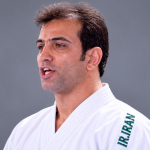
Iran’s judiciary has sentenced Majid Abdolhosseini, a former member of the national karate team and coach, to 12 years in prison. Abdolhosseini was arrested during the January protests, when Iranian security forces carried out a massacre in the streets of cities across the country, killing tens of thousands of people.
A decorated athlete, Abdolhosseini won numerous medals at world and Asian competitions, including two Asian gold medals in 1995 and 2005. He also served for many years as head coach of Iran’s national cadets karate team.
Ruhollah Esfandiari, Abdolhosseini’s former teammate and an Asian gold medallist with Iran’s national karate team, spoke with pride about their friendship. He described the 12-year prison sentence imposed on his former teammate, who had taken part in peaceful protests, as deeply distressing and alarming.
Esfandiari, who has since left Iran, told SportsIn in a brief interview that the atmosphere within the Iran Karate Federation was political and ideological.
“For me, the main issue is the independence of sport and respect for athletes’ rights. My position has always been the same, both during my time with the national team and today. Athletes should be selected on the basis of their ability, merit and performance. Their personal views, religious beliefs or political affiliations should have no bearing on their opportunities to represent the national team.”
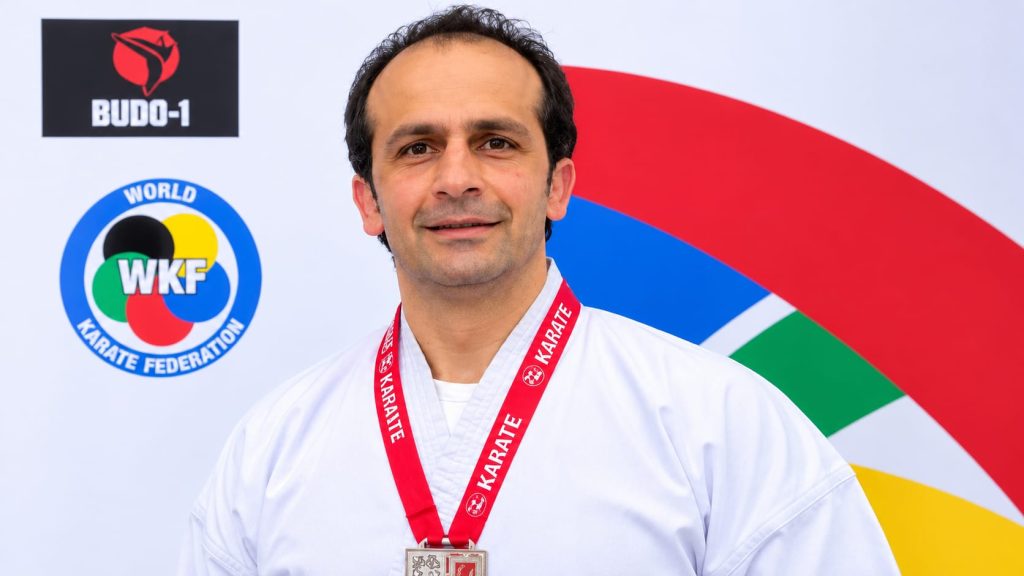
Ruhollah Esfandiari
His comments point to wider concerns about the relationship between politics and sport in Iran, where regime policies have shaped athletes’ opportunities and participation for decades.
Following the establishment of the Islamic Republic in 1979, Iranian sport underwent profound changes. For a decade, regime policies excluded women from sporting activities. Women were later allowed to compete in certain disciplines, but only on the condition that they wore compulsory hijab.
“Esfandiari also condemned the World Karate Federation for its failure to defend Iranian athletes, accusing the international governing body of turning its back on them as they faced political persecution, discrimination and even execution.”
Mohammad Mehdi Karami, Saleh Mirhashemi and Sasan Azadvar are among the Iranian karate practitioners who were executed by the country’s judiciary following their involvement in protests.
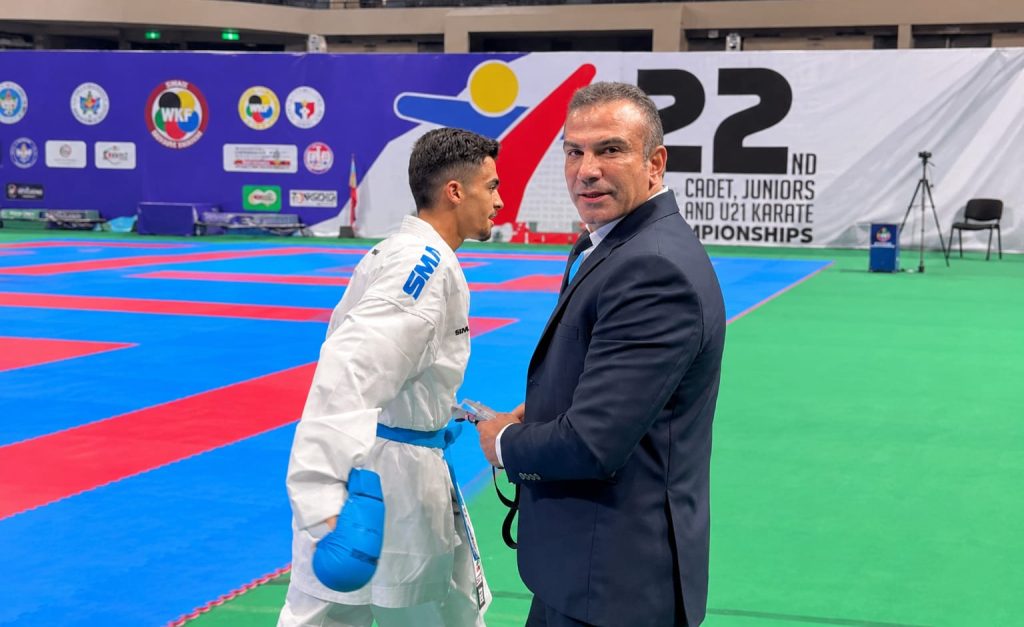
Majid Abdolhosseini
“Our expectation is that the World Karate Federation formally demands an explanation from Iran, follows up on Abdolhosseini’s situation and safety, and publicly reports on the steps it takes. It must also establish a safe channel through which athletes can make their voices heard and report pressure and discrimination.”
Gender segregation, religious discrimination and political interference remain deeply entrenched in Iranian sport. Despite repeated appeals from athletes, international sports federations have failed to take meaningful action, allowing these violations of athletes’ fundamental rights to continue unchecked.
The pressure on the WKF became particularly evident in February 2026, following the deadly crackdown on protesters across Iran. In an open letter addressed to WKF president Antonio Espinós, 51 Iranian karate athletes called on the international governing body to suspend the Iran Karate Federation.
 Last related articles