The Executive Committee of the Association of National Olympic Committees of Africa -ANOCA- met on 13 December 2025 in Luanda (Angola), ahead of the start of the African Youth Games, for a strategic session aimed at reviewing the growth of sport across the continent and setting future priorities. The meeting coincided with celebrations marking the 50th anniversary of Angola’s independence and highlighted the main progress achieved since 2023 in sport development, governance and infrastructure.
During the session, ANOCA presented an activity report showing objectives exceeded by more than 100 per cent, supported by a strategy built on international partnerships, direct athlete support and the strengthening of national structures. The President of ANOCA and member of the International Olympic Committee -IOC-, Mustapha Berraf, stressed that the focus has been placed on “democratising access to sport and creating the necessary conditions for every young African, regardless of background, to develop their potential”.
Expanding access to sport with FIFA, FIBA and World Aquatics
One of the central announcements was the agreement reached with the Fédération Internationale de Football Association -FIFA-, which includes the construction of 50 football pitches at Olympafrica centres across the continent. The initiative targets young people from disadvantaged neighbourhoods and aims to improve access to basic sports facilities in environments where infrastructure remains limited. “These partnerships are not agreements on paper, but a real commitment to universal access to sport,” said Berraf.
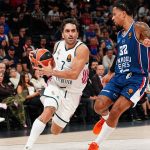
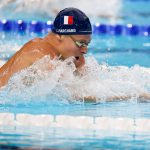
Alongside FIFA, ANOCA unveiled further agreements with international federations to broaden the range of sports opportunities. These include collaboration with World Aquatics to provide swimming pools for national Olympic committees and federations lacking such facilities; with the International Basketball Federation -FIBA- to drive the development of 3×3 basketball; and with the International Canoe Federation -ICF- to supply competition equipment. Together, these partnerships aim to reduce structural inequalities and expand opportunities in disciplines that are less developed across the continent.

Continental events and direct support for performance
The 2025 review also highlighted strong results in event organisation. The African Beach Games in Hammamet brought together 31 countries, 16 sports and more than 2,300 participants, while the launch of the African School Games marked a milestone by involving over 4,000 athletes across 35 disciplines, creating a new platform for school sport in Africa.
At high-performance level, ANOCA underlined the impact of the African Athlete Support Programme, backed by a budget of two million dollars and supporting 48 athletes. The programme contributed to achievements such as Botswana’s first Olympic gold medal, won by Letsile Tebogo, and Africa’s first gold medal in artistic gymnastics, secured by Algeria’s Kaylia Nemour at the Paris 2024 Olympic Games, where 12 African nations won a total of 39 medals.
Olympafrica and national structures as foundations for growth
Olympafrica centres were identified as a cornerstone of ANOCA’s development model, supporting both talent identification and education and social inclusion. “They are much more than sports facilities; they are places where young people can learn, grow and find opportunities,” said Berraf. At the same time, the project to build and modernise national Olympic committee headquarters is progressing in several countries, following the inauguration of the Eswatini National Olympic Committee headquarters in 2023.
The meeting also highlighted ongoing challenges, including high customs duties on donated sports equipment, which in some countries reach up to 60 per cent of the equipment’s value. ANOCA confirmed it will continue working with governments to secure tax exemptions for development-focused donations and addressed the recognition of new sports, stressing the need to respect procedures established by the IOC. The balance presented in Luanda reflects a strategy focused on consolidating strong structures, expanding access to sport and sustaining the growth of the African Olympic movement.
 Last related articles