With less than a year to go before the start of the Dakar 2026 Youth Olympic Games, the Senegalese capital is accelerating its preparations with new infrastructure, logistical progress and a renewed sense of optimism that marks the beginning of a new era for African sport. Last week’s celebrations featured two key moments: the unveiling of Ayo, the official mascot, and the activation of the OMEGA countdown clock in the heart of Dakar.
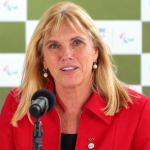
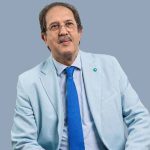
“These Games mean so much for Africa; they will inspire the next generation and open doors of opportunity across our continent and beyond,” said Kirsty Coventry, President of the International Olympic Committee (IOC), during the official ceremony at the Grand Théâtre de Dakar. The event was also attended by Bassirou Diomaye Faye, President of Senegal; Mamadou D. Ndiaye, President of the Dakar 2026 Organising Committee (YOGOC); and Humphrey Kayange, Chair of the IOC Coordination Commission for Dakar 2026.
Ayo, a symbol of joy and African heritage
The official mascot, Ayo, is a young lion representing the energy and joy of Senegalese youth. His name means “joy” in Yoruba, a language widely spoken in West Africa, and captures the Games’ spirit of celebration and unity. Ayo wears a traditional Fulani Tingandé hat, symbolising wisdom, dignity and connection to rural life.
The design was selected through a nationwide competition organised by the Dakar 2026 Organising Committee in collaboration with the Ministry of National Education, which received over 500 entries from secondary school students across the country. The initiative aimed to encourage creativity and strengthen young people’s sense of belonging, building excitement ahead of the first Olympic event ever held on African soil.

“Ayo carries a powerful message of joy and breaks barriers, a true symbol of African youth,” Coventry added. “Every day new opportunities are opening up for Senegal’s youth, and these Games are part of that change.”
Infrastructure and logistics in the final stretch
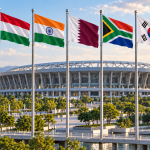
The Diamniadio Olympic Stadium, with a capacity of 50,000 spectators, will host the Opening and Closing Ceremonies and is regarded as the jewel of the Olympic complex. In Dakar, the historic Iba Mar Diop Stadium is entering the final phase of its full renovation, while the Dakar Arena is already ready for indoor competitions. The Corniche Ouest will provide the scenic backdrop for the road cycling events along the Atlantic coast.
The country’s sports infrastructure plan is supported by the Agence Française de Développement (AFD), which has invested more than €60 million to modernise public and school sports facilities. “Almost all the infrastructure is ready,” confirmed Ibrahima Wade, General Coordinator of the YOGOC.
On the technology front, OMEGA, a Worldwide Olympic Partner and Official Timekeeper, will deploy advanced systems including photofinish cameras, electronic starting pistols and quantum timers, ensuring precision and reliability for every result.
The spirit of “Dakar en Jeux”
Celebrations will continue in November with the fourth edition of “Dakar en Jeux”, a festival that has become the cultural heartbeat of the Games. From 4 to 9 November, Dakar, Diamniadio and Saly will host sports events, concerts and exhibitions, bringing the Olympic values closer to local communities.
The volunteer programme has already exceeded 5,000 applications, while the Learning Academy continues to train young people in sports management, hospitality and leadership. The legacy of Dakar 2026 extends far beyond sport: it aims to be an educational, social and urban catalyst that will position Senegal as a beacon of Olympic progress in Africa.
 Last related articles