Judo delivered a remarkable display of global reach in the opening weekend of May, with competitions held simultaneously across four continents. Events in Guayaquil, Dushanbe, Tbilisi, Mandurah and Istanbul brought together athletes from around the world, highlighting the sport’s expanding international footprint.
The calendar featured a diverse mix of events: the Dushanbe Grand Slam, the Tbilisi Cadet European Cup, the Istanbul Junior European Cup, the Mandurah Junior, Cadet and Senior Open Cup, and the Pan American Cup in Ecuador. Together, these competitions showcased the depth of judo across multiple age groups and performance levels.
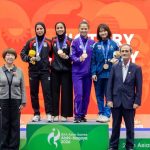
The Dushanbe Grand Slam stood out as the weekend’s premier elite event. Russia and Tajikistan each secured three gold medals, with Russia topping the medal table thanks to additional silver and bronze finishes. Tajikistan placed second, while Mongolia edged ahead of Poland to claim third place with two golds and a silver.
A total of 34 nations participated in Dushanbe, although the absence of Japan was notable. Among the competing teams was Iran, which returned to international competition after a prolonged absence, represented by three athletes.

Elsewhere, participation levels underlined the sport’s global development. In Tbilisi, 362 cadet judoka from 17 countries competed, while Istanbul hosted 502 junior athletes from 27 nations. Combined with events in Australia and Ecuador, the scale and coordination of competitions across continents marked a rare and significant moment for the sport.
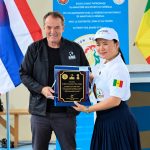
During the opening ceremony in Dushanbe, Ismoil Mahmadzoir, President of the Tajikistan Judo Federation, emphasized the role of government support in the country’s sporting progress. He credited Emomali Rahmon for prioritising sport development, promoting healthy lifestyles and supporting elite athlete pathways through sustained national programmes.
Mahmadzoir also highlighted Tajikistan’s ambition to host the 2026 World Judo Masters, describing it as one of the most prestigious events on the International Judo Federation World Tour. He expressed confidence that hosting the event would provide an important platform for athletes preparing for the Los Angeles 2028 Olympic Games.

Representing the IJF, Louisa Galea praised the organisation and delivery of the event, noting the visible progress of Tajikistan across grassroots development, elite performance and event management. She added that the awarding of the 2026 World Judo Masters to Dushanbe further confirmed the country’s growing status within the international judo community.
With five cities hosting major competitions simultaneously, the opening weekend of May offered a clear demonstration of judo’s global strength and organisational capacity, reinforcing its position as one of the most widely practiced combat sports worldwide.
 Last related articles