The Para Sailing movement is making confident strides towards its main goal: returning to the Paralympic Games. Guided by a global strategy for 2024–2029, World Sailing has achieved steady growth in the number of nations, competitions, and athletes involved, demonstrating the maturity of a sport that continues to strengthen its international foundations.
In recent years, the number of active federations and participants in inclusive regattas has risen significantly, supported by improved technical training and structural development. These advances directly align with the criteria set by the International Paralympic Committee -IPC-, which requires a broad, sustainable, and globally representative base before reinstating Para Sailing to the Paralympic programme.
Figures that reflect Para Sailing’s growth
Official data from World Sailing confirms this upward trend. Over the past five years, the number of nations competing in international Para Sailing events has increased by 30 percent, showing consistent progress across all five continents. Youth participation has also grown, from 16 to 19 percent, strengthening the long-term sustainability of the discipline. In parallel, new development structures have been launched in Africa and Oceania, reinforcing the sport’s truly global character.
Progress in gender equality has also been significant: female participation in Para Sailing events has risen from 23 to 27 percent, a step forward that consolidates the federation’s inclusive strategy. According to the Para Inclusive Strategy 2024–2029, World Sailing aims to reach 40 nations active in Para and Inclusive Sailing across five continents by 2029. The Para Sailing Committee’s 2025 work plan also sets a clear path to expand from 32 to 40 active nations within that same timeframe.

Europe’s example and regional expansion
Europe has become a key reference point in this process. The recent EUROSAF Inclusive European Championships held in Trieste brought together mixed crews from multiple countries in an innovative format that strengthened cooperation among national federations. Supported by World Sailing, this continental model is expected to inspire similar regional editions in the Americas, Asia, and Africa, all aligned with the federation’s global development objectives.
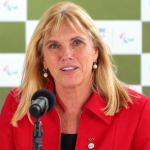
World Sailing President Quanhai Li emphasised that “inclusion is not only a sporting value but also a tool for growth and sustainability in the future of sailing.” Meanwhile, World Sailing CEO David Graham highlighted that “the growth of the Para Sailing movement demonstrates the strength of the federations and their collective commitment to building a more accessible and competitive sport worldwide.”
Ready to return to the Paralympic stage
The progress achieved in recent years places Para Sailing in a strong position for its potential return to the Paralympic programme. Quantitative growth, increased female and youth participation, and the consolidation of an international competition circuit all point to a mature and representative structure. With more than 40 countries currently engaged in active programmes and an expanding network of coaches and classifiers, the discipline already meets the governance, participation, and diversity standards required by the IPC for reinstatement.
The next three months will be decisive. With the World Sailing Annual Conference, the World Sailing Inclusion Championships to be held in Oman from 3 to 8 December 2025, and the upcoming submissions to the IPC —including the Classification Rules and Research Report (30 November) and the final proposal (15 December)—, inclusive sailing is entering a pivotal stage. “Every programme, every participation figure and every new nation reflects the maturity of a sport that is ready to return to the Paralympic stage,” said David Graham.
 Last related articles