The Bavarian capital looks once again toward the Olympic horizon with a mix of emotion, memory, and ambition. With 66.4% public support, Munich approved in a referendum its intention to bid for hosting the 2036, 2040, or 2044 Summer Olympic Games, marking a historic milestone in Germany: it is the first time a public vote has supported such a candidacy. The city’s streets were filled with celebration as thousands gathered at the House of Sports, describing the moment as the rebirth of the 1972 Olympic dream — a memory still alive in the hearts of those who saw the city transform into a symbol of modernity and resilience.
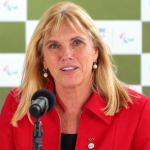
Mayor Dieter Reiter called the day “a good day for Munich,” reflecting the collective enthusiasm of a community that, despite years of doubt, has chosen to believe again. Behind the result lies more than just a number: a narrative of trust in the power of sport to unite and project the future. Authorities, athletes, and citizens agree that the referendum marks a turning point for the city, which seeks once again to establish itself as a global sports hub — this time under a sustainable, responsible, and people-centered model.
A city between legacy and ambition
Munich relies on its organizational experience, inherited infrastructure, and strong public backing to strengthen its bid. Half a century after the 1972 Games, the Olympic facilities remain a symbol of German urban and sports planning. The city plans to reuse the Olympic Stadium and its surroundings, aiming for a bid that doesn’t start from scratch but instead renews its legacy through sustainability and efficiency. The project includes new investments in public transport, urban improvements, and the creation of an Olympic Village in the northern part of the city, integrating sports infrastructure into a broader development plan.
Prime Minister Markus Söder described the result as “a very strong signal,” celebrating the unity among government, athletes, and citizens. For figures like Jörg Ammon, president of the Bavarian State Sports Association, the vote represents “a dream result” and an opportunity for sport to once again become a driver of social progress. This consensus, unusual in a politically fragmented context, gives Munich an emotional and moral advantage that extends beyond the sporting realm.
Between hope and civic caution
But enthusiasm is not universal. In other parts of the city, such as the cultural center Greek House, opponents of the project voiced concerns about costs and potential social impact. For leaders like Ludwig Hartmann and Stefan Jagel, the pro-Olympic campaign was disproportionate and partly funded by public money. While they acknowledge the legitimacy of the process, they warn that the promises of sustainability and transparency must be proven through action. Their criticism reflects a deeper debate: what kind of city Munich wants to be and what sacrifices it is willing to make to return to the Olympic stage.
Still, even among detractors, there is recognition of the democratic value of the decision. “We respect the vote, even if it’s not the outcome we hoped for,” said Jagel, emphasizing that citizen oversight will be crucial in the next stages. In a context marked by memories of the rejected 2022 Winter Games bid, the new vote opens a different path — one more conscious and dialog-driven. The lights of the Olympic Park shone again on the night of the referendum, not as a symbol of a definitive victory, but as a reflection of a city rediscovering its ambition and identity through sport.
 Last related articles