One year after the Opening Ceremony of The World Games 2025, Chengdu, China, continues to develop the event’s legacy through the reuse of its venues, the introduction of new disciplines into municipal activities and the staging of international competitions. The International World Games Association -IWGA- believes the city has sustained the momentum generated by the Games and transformed some of the resources invested into lasting opportunities for athletes, federations and local communities.
The 12th edition of The World Games took place from 7 to 17 August 2025 and brought together 3,895 athletes from 111 countries, the largest participation in the event’s history. Its programme comprised 34 sports and 256 medal events, with near-equal representation of women and men. Almost 220,000 tickets were sold, making Chengdu 2025 the third-best attended edition. These figures provided the city with an established audience, infrastructure and organisational experience on which to continue building after the Closing Ceremony.
A legacy measured after the Games
The continued use of those resources reflects an objective established during the preparations. “The World Games 2025 were never intended to be just a 10-day celebration of sport,” explained a representative of the Chengdu 2025 Organising Committee. “From the very beginning, our ambition was to create a lasting legacy for Chengdu. One year later, we are proud to see the venues alive with community activity, international competitions returning to the city, and more people discovering and enjoying The World Games sports. This is exactly the sustainable impact we hoped to achieve.”
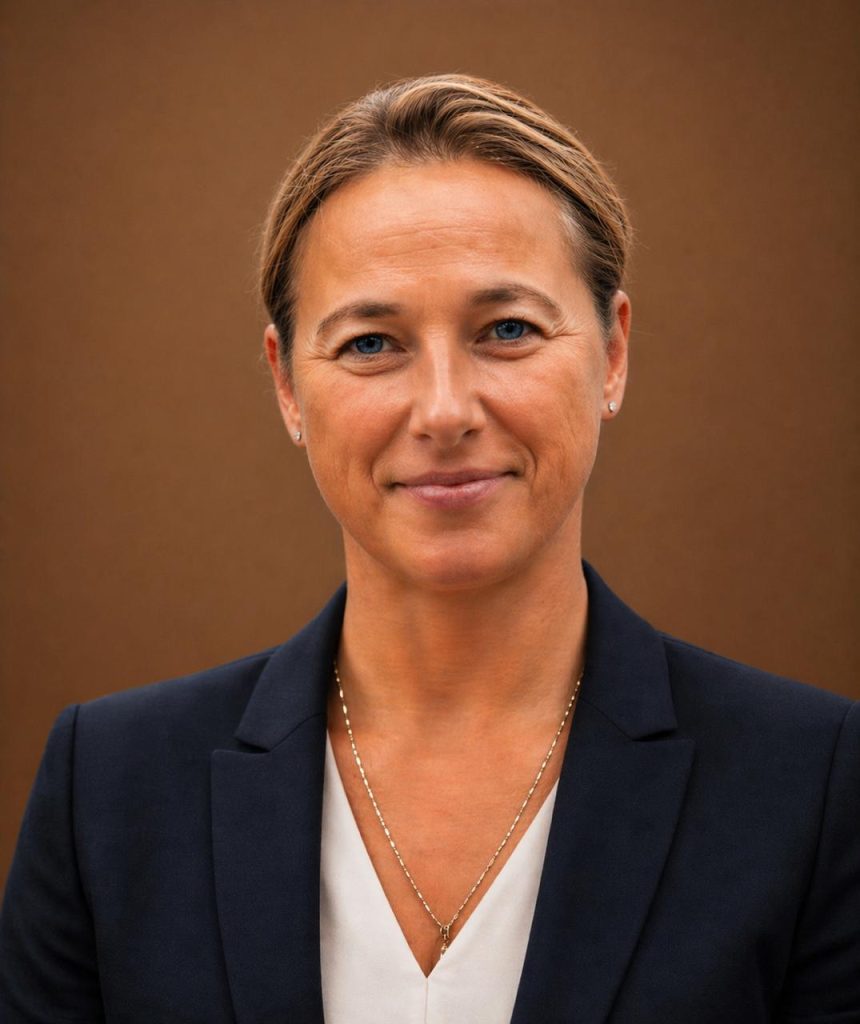
IWGA president Anna Arzhanova also identified that continuity as the measure by which the edition should be assessed. “A successful edition of The World Games is measured not only by what happens during the event, but by what remains long after the Closing Ceremony. Chengdu has demonstrated how hosting The World Games can strengthen communities, inspire participation, support International Federations and create sustainable opportunities for future generations. We congratulate the city and our partners on ensuring that the legacy of Chengdu 2025 continues to grow.”
 Venues open to athletes and local communities
One of the main areas of continuity can be found in the venues. Outdoor facilities used during the Games have been preserved and opened to the public free of charge for recreation, school sport and community activities. Other sites have been converted into public fitness facilities or teaching and training centres for Chengdu Sport University. The Sancha Lake venue now operates as an international-standard water sports centre, while facilities for roller sports, Frisbee and squash have expanded the sporting infrastructure available across the city.
The programme of The World Games has also found a place beyond its competition venues. DanceSport, Frisbee, orienteering, roller sports, tug of war and wushu were included in the 12th Chengdu National Fitness Games. Their inclusion introduces less familiar disciplines to new audiences and allows the experience of an international competition to feed into opportunities for local participation. The legacy therefore extends beyond preserving facilities by broadening the range of sports that residents can discover and practise.
An international calendar that continues to grow
Since hosting the Games, Chengdu has staged World DanceSport Championships, the Asian Lacrosse Championships, a World Triathlon Cup and an ICF Canoe Marathon World Cup, alongside international competitions in orienteering, ju-jitsu, waterskiing, dragon boat racing and ultimate. Its subsequent calendar has also included sports that were not part of The World Games 2025. In May 2026, Jiaozi Music Square hosted consecutive stops on the FIBA 3×3 Women’s Series and FIBA 3×3 World Tour, organised by the International Basketball Federation -FIBA-. USA won the women’s event, while Serbian team Ub claimed the men’s title. These tournaments did not directly reuse a Games venue, but demonstrate Chengdu’s continued presence on international sporting circuits.
The city also retains the World Games Smart System to support the management of future events and continues to benefit from the experience developed by its organising team. Chengdu 2025 mobilised more than 17,000 volunteers, selected from 75,874 applicants, and created expertise in event operations, delegation services and cooperation with International Federations. Together with the reuse of venues and the inclusion of World Games sports in community programmes, this organisational capacity supports Chengdu’s future bids and allows the legacy of the 2025 edition to continue developing.
 Last related articles