The discovery of asbestos during preliminary works at Victoria Park, where the Brisbane 2032 stadium will be built, has sparked a dispute between community groups and the Games Independent Infrastructure and Coordination Authority -GIICA- over information about environmental monitoring. A news.com.au report published on Tuesday includes photographs of cordoned-off areas with asbestos warnings and residents’ demands for details of the materials found and air-monitoring results. GIICA maintains that risks have been mitigated, while Workplace Health and Safety Queensland, the workplace safety regulator, told the outlet its investigation had identified no breaches relating to asbestos management.
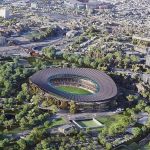
The project includes a 63,000-seat stadium in Brisbane, Australia, intended to host athletics and the Games ceremonies before becoming a venue for Australian rules football and cricket. Current works include earthmoving, haul roads and material stockpiles. The dispute centres on how contamination is controlled during those operations and what information is shared about the materials found, air monitoring and its results. GIICA says work is continuing.
Contamination already acknowledged at the site
Contamination had been acknowledged in official information before the report appeared. In its mid-September update, GIICA explained that Victoria Park had served as a dump, military base and housing area, among other uses, over the past 150 years. Investigations undertaken to prepare for the stadium and the future aquatic centre had confirmed contaminated materials in various areas. The document outlined management procedures and compliance with regulatory requirements to protect workers and the public, although it used the general term “contaminated materials”. The October update again included their handling among the planned works.
GIICA’s environmental fact sheet identifies air quality, dust suppression and the disturbance of contaminated soil among the impacts its venues programme must manage. It also provides for contractor plans covering waste, contamination, emergencies and complaints handling. In correspondence published by Save Victoria Park, the authority states that contractor BMD uses dust-control measures, including water trucks, and that GIICA oversees its environmental and safety performance. The general documentation therefore sets out areas of responsibility, while residents are seeking details of how those measures are being applied at the park.
Questions over air monitoring
Save Victoria Park, a community group opposed to the park’s redevelopment, published its complaint correspondence in October. On September 7, it asked about the type of asbestos, the circumstances in which it had been found, its removal and air monitoring; on September 15, it lodged a formal complaint. In the September 18 response reproduced by the group, GIICA maintained that qualified personnel were managing the materials in accordance with regulations. It listed measures including exclusion zones, decontamination procedures, controlled transport and disposal, and air monitoring where required. It then closed the complaint.
On September 27, the group requested an internal review, arguing that the response did not specify whether air monitoring was taking place, who was conducting it, where equipment was located or whether results would be published. News.com.au also reports that it asked GIICA which company was carrying out the monitoring and was referred to BMD, which directed it back to the authority. The report could not identify the company responsible. Save Victoria Park also announced its intention to approach the Queensland Ombudsman for a review of how its complaint had been handled.
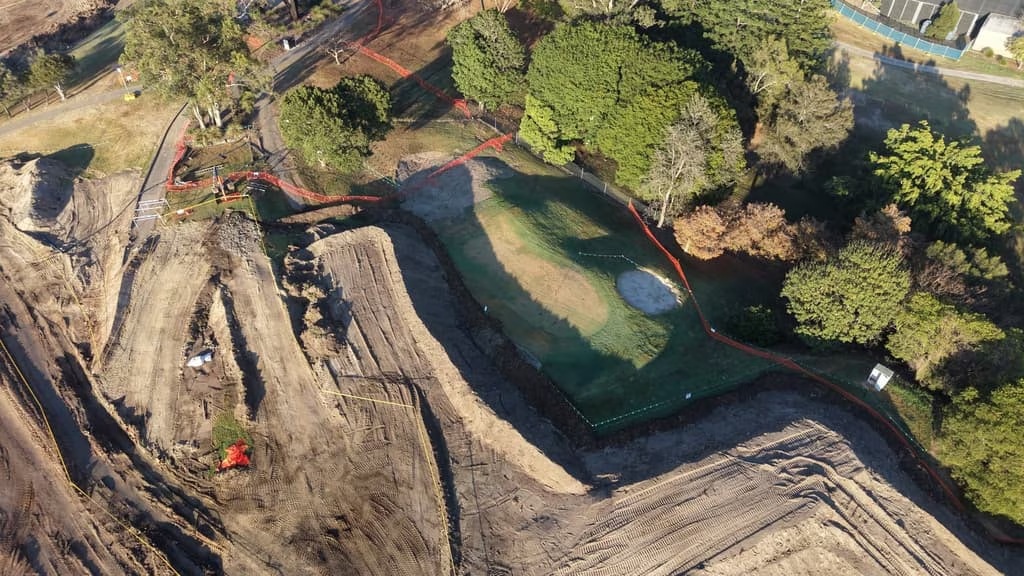
Environmental information around an Olympic construction site
Residents interviewed by news.com.au described concerns about dust and warning signs visible from nearby homes. Liz Hall, who lives opposite the park, said seeing the warnings without receiving a specific explanation had caused anxiety. Sandy Rodgers recalled that environmental monitoring results had been shared during construction of another public project near her home. The surrounding area includes homes, schools, university facilities and the Royal Brisbane and Women’s Hospital. Licensed asbestos assessor Michael Shepherd, consulted by the outlet, said making monitoring results available and communicating openly with the community were good practice.
Community groups Brisbane Residents United and Spring Hill Community Group have called for work to stop until compliance with environmental and health requirements is independently verified. They also want full reports published, including the hazardous materials register, and continuous perimeter monitoring for dust and airborne asbestos fibres. Their demands extend beyond the handling of a single complaint to public oversight of the works: what information is shared, how frequently, and how people living or working beside the future Olympic stadium can access it.
 Last related articles