The World Games 2029 will bring approximately 4,075 athletes to Karlsruhe, Germany, for a programme featuring 36 sports and 62 disciplines, including eight making their debut. Taking place from 19 to 29 July, the event will create more opportunities for emerging formats and athletes with disabilities, while changing the representation of some established disciplines. The International World Games Association -IWGA- outlined the additions in a statement published on 11 November, following confirmation of the full sports programme in September.
The plans exceed the scale of Chengdu 2025, which featured 34 sports, 60 disciplines and 256 medal events. Karlsruhe will have more than 260 medal events and expects around 180 more athletes than the 3,895 participants recorded in the evaluation report for the Chinese edition. That would represent an increase of approximately 4.6% in athlete participation, although the German figure remains a projection. Organisers anticipate representation from more than 110 countries, so an increase over Chengdu’s 111 participating nations cannot yet be assumed.
Eight debuts, beyond entirely new sports
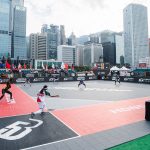
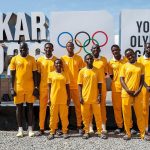
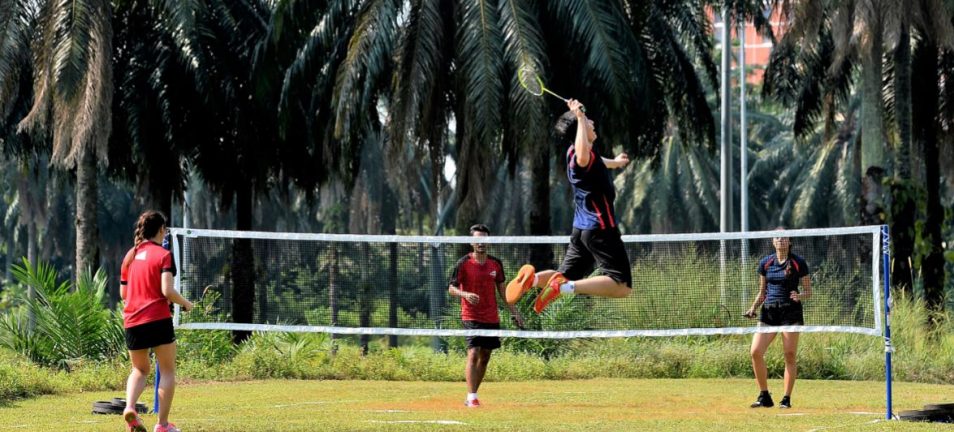
Five additions introduce new ways of competing in familiar sports. AirBadminton takes badminton outdoors; Baseball5 features teams of five playing without bats or gloves; Hockey5s reduces team sizes and the playing area; and cable waterskiing replaces a towing boat with an overhead cable system. Cheerleading will introduce Premier, combining acrobatics, lifts, strength and team coordination. These are discipline debuts, rather than necessarily new sports: cheerleading, for example, already featured in Chengdu through Pom Doubles. There is also a connection with the Dakar 2026 Youth Olympic Games, whose programme includes Baseball5 and badminton.
The other three debutants will be Para Climbing, Para Karate and Paddle Para Marathon. Their inclusion will bring the number of disciplines for athletes with disabilities to five, alongside those in ju-jitsu and freediving. This expands a presence established at previous editions. For federations, the change provides additional competitive opportunities within a shared international event, although the allocation of athlete places across disciplines has yet to be published.
A programme of departures and returns
Overall growth does not mean every discipline will retain its place. Racquetball, sambo and powerboating, all represented in Chengdu, are absent from Karlsruhe’s confirmed programme. Drone racing, dragon boat and softball are also missing. In the latter case, the baseball-softball family will remain represented through Baseball5. These changes show how an increase in sports and disciplines can coexist with decisions about which formats continue. Bowling will also be absent from Karlsruhe, although its omission predates this edition: it was already excluded from Chengdu.
There will also be returns linked to the host city’s history. Indoor cycling will reappear after its only previous participation, at Karlsruhe 1989. The German city will become the first to host The World Games twice, forty years after that edition. The event’s history shows long-term expansion, with fluctuations between editions: Santa Clara, in the United States, hosted the inaugural Games in 1981 with 16 sports and, according to the historical participation figures in the Chengdu evaluation report, 1,453 athletes from 58 countries. By 2025, participation had approached 3,900 athletes from 111 nations.
Greater visibility through existing venues
The World Games were established to provide a major multisport competition for sports outside the Olympic programme. Their development has also created opportunities for alternative disciplines within sports represented at the Olympic Games. IWGA President Anna Arzhanova described the event in April as “a unique platform for emerging sports, innovation and international collaboration”. In Karlsruhe, that role is combined with a specific organisational principle: primarily using existing facilities, supplemented by a limited number of temporary venues in central locations. Programme selection must therefore also fit the host city’s capabilities.
This approach aims to bring competitions closer to spectators and provide international visibility for sporting communities with fewer opportunities to share a major stage. Outdoor formats, smaller teams and disciplines with different equipment requirements broaden the options for staging and presenting sport, although inclusion alone does not guarantee more participants or larger audiences. The next announcement will clarify the scale of each discipline’s involvement: the detailed medal event programme and allocation of athlete quotas are scheduled for publication on 14 January 2027.
 Last related articles