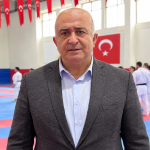
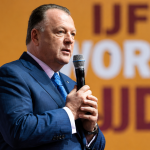
Ercüment Taşdemir’s election to the World Karate Federation Executive Committee has brought renewed attention to allegations concerning the financial and administrative management of the Turkish Karate Federation, reported by Turkish media just weeks earlier.
On 29 August 2026, Turkish media Vakit61 reported that a criminal complaint had been filed with the Ankara Chief Public Prosecutor’s Office against Taşdemir and other officials of the Turkish Karate Federation. Günaydın Trabzon, BizimTV and TR Arşivi subsequently reported on the allegations.
The reports referred to a transaction involving 3.88 million Turkish lira and alleged that money received from athletes and their parents had been recorded as donations or contributions. They also raised questions about the issuing of national athlete certificates to individuals who may not have met the required criteria, alongside allegations of improper payments connected to those certificates.
Other issues reportedly included the use of grey, or service, passports for official overseas delegations, whether some individuals had carried out their assigned duties, and the payment of travel allowances and reimbursements. The complaint was also reported to seek an examination of the financial accounts, records and administrative decisions of the federation and KAREV.
SportsIn has not independently obtained the original complaint or official documents confirming the status of any judicial proceedings. The allegations have therefore not been established. BizimTV also reported that Taşdemir had denied bribery allegations connected to national athlete certificates, citing statements attributed to Sabah. SportsIn has not independently verified the original statement.
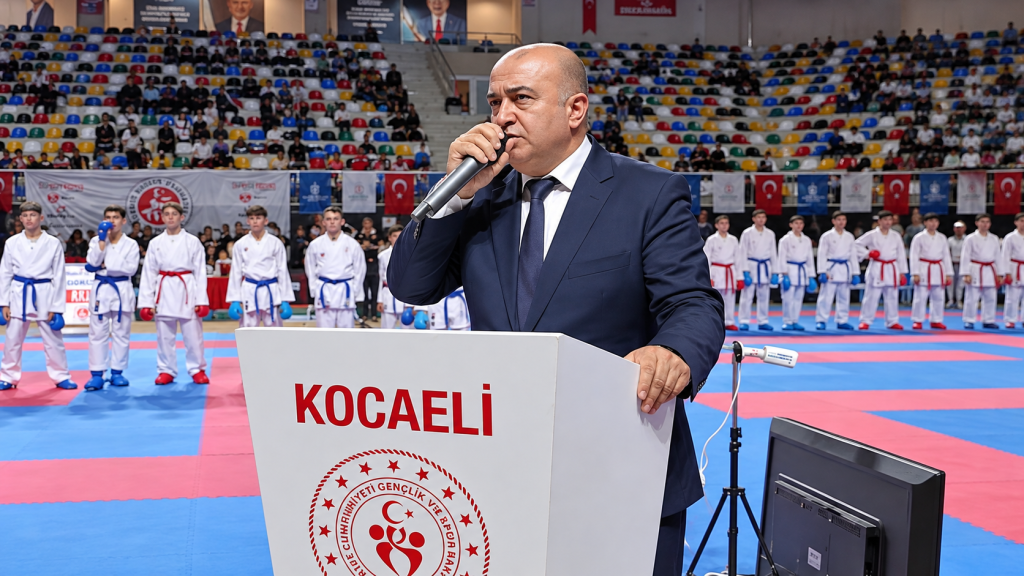
Taşdemir was elected president of the Turkish Karate Federation in October 2024. He joined the Executive Committee of the European Karate Federation in May 2025 and, on 13 October 2026, was elected to the WKF Executive Committee for the 2026–2030 term.
One detail stands out in both elections. Taşdemir faced no opposing candidate when he joined either the EKF or WKF executive committee. While this does not invalidate the results, it raises questions about the level of scrutiny applied to candidates and the nature of electoral competition within international karate governance.
The presumption of innocence and the right to a fair process must be respected. However, these principles do not remove the responsibility of world karate federations to seek clarification when serious allegations concerning the administration of a national federation become public.
General Assembly in Ankara
On 20 October 2026, the Turkish Karate Federation held its ninth ordinary financial general assembly in Ankara. Delegates reviewed the activity and audit reports covering the period from 1 September 2024 to 31 August 2026. According to the federation, the reports of both the executive board and the supervisory committee were approved unanimously, and both bodies were formally discharged by the assembly. The federation announced that 200 delegates attended.
The assembly also discussed budgets and plans for 2027 and 2028. Taşdemir said the federation aimed to support athletes’ development, strengthen its infrastructure and turn international success into lasting achievements through the effective and transparent use of its resources. He thanked everyone who had contributed to Turkish karate.
The assembly’s decision forms part of the federation’s internal governance process, but it should not be confused with a judicial finding. Approval of the reports and the formal discharge of the executive board do not establish whether prosecutors have examined the allegations or whether any legal proceedings have been concluded.
Questions over WKF candidate vetting
For the WKF, the question is not whether media reports should automatically disqualify an elected official. They should not. Rather, it is whether the federation has clear procedures for examining information about candidates’ records in their national organisations, particularly when allegations involving financial and administrative conduct have been publicly reported.
It is also important to establish whether the Turkish media reports are based on separate evidence or repeat information from the same original complaint. The number of medias reporting a story does not, by itself, confirm its accuracy. Access to primary documents and clarification from the relevant authorities would be more useful in establishing the facts.
The WKF cannot be expected to pass judgment on allegations that have yet to be established. But it can be expected to ask questions. When candidates seek positions of international authority, scrutiny of their records should be part of the electoral process, not an afterthought.
 Last related articles