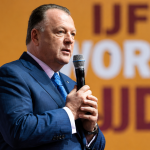
International Judo Federation President Marius Vizer has called for greater inclusion, mutual respect and equal opportunities in judo in a message marking World Judo Day.
Vizer said a sense of belonging in judo goes beyond stepping onto the tatami. It depends on creating an environment built on respect, support and encouragement. He highlighted the eight values of judo’s moral code: politeness, courage, sincerity, honour, modesty, respect, self-control and friendship, stressing their importance in relationships between athletes, coaches and club members.
A key theme of Vizer’s message was making judo accessible to people from all backgrounds. He highlighted opportunities for children, young people, women, older participants, veterans and people with disabilities. He also drew attention to refugees and displaced people who may face social, economic, cultural or geographical barriers to participating in sport. For Vizer, inclusion means ensuring these groups have genuine opportunities to take part.
The IJF president also highlighted judo’s potential to support people through difficult periods in their lives. Training alongside others can provide a sense of connection, routine and purpose during bereavement, separation or personal challenges. From this perspective, judo’s value extends beyond competition results and sporting achievements to its wider impact on individuals and communities.
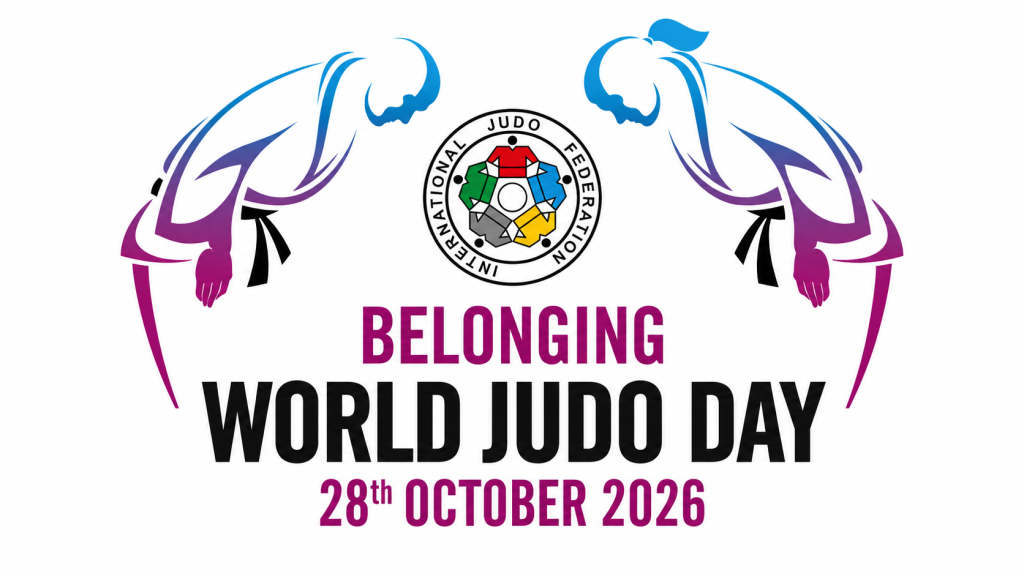
“Beyond the techniques learned and the challenges overcome, Judo reminds us that no-one has to face their difficulties alone, and that there is strength in standing together, on and off the tatami.”
Vizer pointed to initiatives around the world that welcome newcomers, develop adapted judo programmes and support children and young people. He stressed that federations, clubs, dojos, coaches and training partners all have a role to play. Even simple gestures, such as helping a fellow judoka or encouraging someone to return to training, can make a lasting difference. However, turning inclusion into reality requires these values to be reflected in everyday practice and in the opportunities available to participants.
In closing, Vizer thanked those working to make judo more open and supportive and called for continued efforts to ensure everyone can find their place in the sport. His message places shared responsibility at the heart of World Judo Day, challenging the global judo community to turn its ethical principles into meaningful experiences for judoka at every level.
 Last related articles