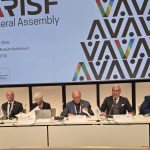
The Hungarian Weightlifting Federation held the 2nd Weightlifting Day on 4 June at the Tata Olympic Center, with more than 80 coaches, sports managers, club leaders and experts from across the country taking part. The day focused on sport development, the application of science to training and the construction of the future of Hungarian weightlifting.
The meeting brought together international experiences, scientific findings and practical solutions to address the current needs of the discipline. The event was opened by Péter Nagy, President of the Hungarian Weightlifting Federation, and Sándor Sáfár, from the National Sport Authority, who underlined the importance of professional dialogue and cooperation among the different actors in the sports system.
International models to grow from the clubs
One of the main blocks of the morning looked at established international experiences. Ferenc Szabó presented the trajectory of the weightlifting club of La Coruña, in Spain, as an example of how a local structure can become a project recognised beyond its borders through sustained work, talent identification and organisational stability.
His presentation drew particular interest for its youth promotion system. The Galician club’s model assesses around 1,000 schoolchildren as part of its talent identification process and makes it possible to reach hundreds of boys and girls, a line of work that is especially relevant for a federation aiming to expand its base of athletes and strengthen the role of clubs.
Georgia and sports science as references
The day also featured Georgian speakers George Asanidze, Olympic champion and head coach, and David Kipshidze, a marketing and communications expert. Both offered insight into the functioning of Georgian weightlifting, the demands of international sport and the role of strategy and communication in building solid sports systems.
From the Hungarian side, national head coach Gergely Palinkas presented the practical possibilities of applying sports science to weightlifting. His presentation addressed objective measurement, diagnostics, athlete monitoring and data-based decision-making, with concrete examples of how these tools can support coaches’ daily work and athlete development.
High performance, endurance and planning
The programme was completed with presentations and a panel discussion involving Hungarian experts from different areas. Topics included high-performance methodology, tapering and form timing in individual Olympic sports, as well as the role of endurance training in weightlifting. The day also incorporated perspectives from other sports, including basketball, cycling and swimming. The inclusion of these subjects allowed the discussion to move beyond the specific technique of weightlifting. Basic endurance, recovery, load tolerance and the planning of peak performance phases were presented as complementary elements to improve sport-specific training and better support athlete progression.
The closing session was led by Ákos Nagy, Secretary General of the Hungarian Weightlifting Federation, who analysed the current situation of the discipline and the main tasks for the coming years. His presentation addressed the need to increase the number of athletes, coach education, the role of clubs and the social and Olympic future of weightlifting. One of the central ideas of the closing session was that the future of Hungarian weightlifting does not depend on one major isolated decision, but on consistent steps: more athletes, better-qualified coaches, stronger clubs and a more visible and attractive sport. The European Weightlifting Federation congratulated the Hungarian Weightlifting Federation on the organisation of the 2nd Weightlifting Day at the Tata Olympic Center.
 Last related articles