The signing of LeBron James by the Philadelphia 76ers not only shook the NBA market because of the destination he chose for the final stage of his career. It also did so because of a decision that, in any other context, would have seemed unthinkable: accepting the lowest salary of his 23 professional seasons. The four-time league champion went from earning $52.6 million per year to signing a veteran minimum contract, a historic pay cut that will leave him earning less than nearly 300 players in the league, including several rookies who are just beginning their basketball careers.
Beyond its sporting impact, the decision reflects a transformation in the role of the elite athlete. For James, money stopped being the determining factor long ago. After becoming the first player in NBA history to surpass one billion dollars in salary earnings and building a solid ecosystem of companies, investments, and commercial partnerships, his priority shifted to choosing the project that would give him one last opportunity to win a fifth championship and write a new chapter in the league’s history.
A business empire built long before the end of his career
LeBron James began developing his business strategy almost at the same time as his NBA career. Alongside his trusted inner circle, made up of Rich Paul, Maverick Carter, and Randy Mims, he created a structure designed to manage not only his image but also the business opportunities that emerged around his profile. Over the years, that vision evolved into one of the most successful examples of an athlete turning popularity into long-term assets, moving away from the traditional model based solely on endorsement deals.
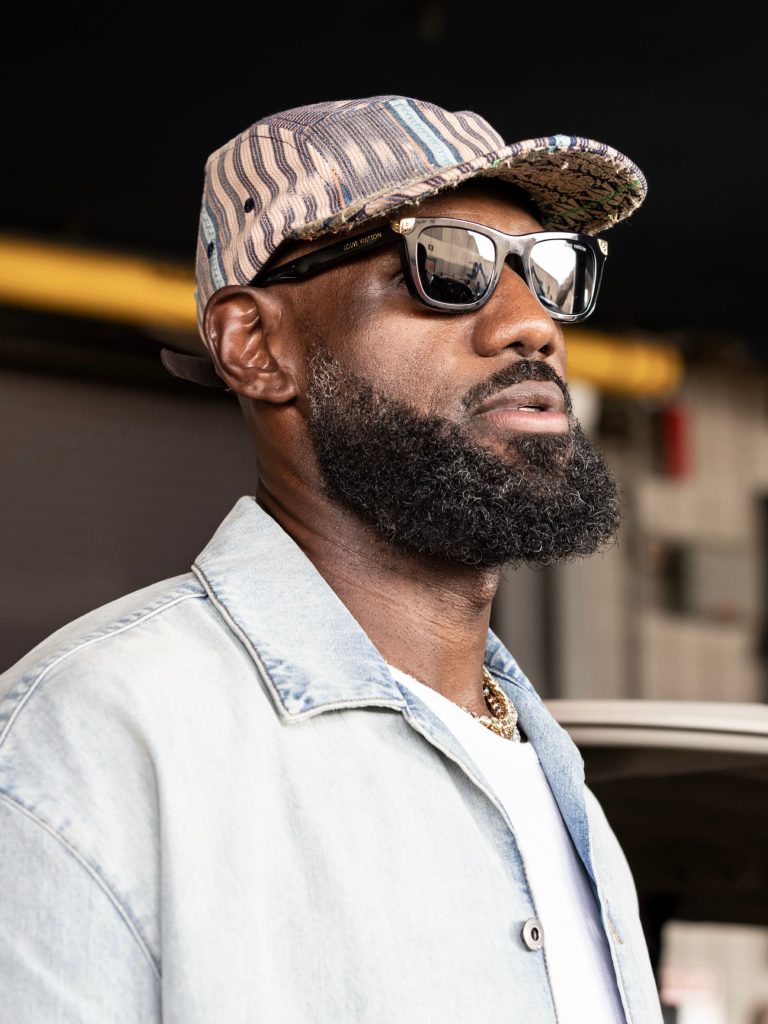
His philosophy was to become a partner in the companies he worked with by acquiring equity stakes rather than simply serving as a brand ambassador. That approach led to investments in companies such as Blaze Pizza, Beats by Dre, Rimowa, Hyperice, Tonal, and Ladder, as well as stakes in StatusPro, Canyon, and Whoop. At the same time, he expanded his presence in the sports industry by becoming a shareholder in Fenway Sports Group, owner of Liverpool FC and the Boston Red Sox, while also holding interests in clubs such as AC Milan and Toulouse FC. This diversification turned his investments into a source of income that surpasses his salary as a player.
From basketball to Hollywood: the athlete-investor model
LeBron’s move to Los Angeles marked another turning point. While continuing to build his legacy with the Los Angeles Lakers, he also took advantage of the Hollywood ecosystem to establish himself as an entertainment entrepreneur. Together with Maverick Carter, he launched SpringHill Entertainment, a production company behind projects for platforms such as Netflix, Apple, Disney, and HBO, as well as the film Space Jam: A New Legacy. He also co-founded Uninterrupted, a platform created to allow athletes to tell their own stories, anticipating the rise of athlete-led video and podcast content.
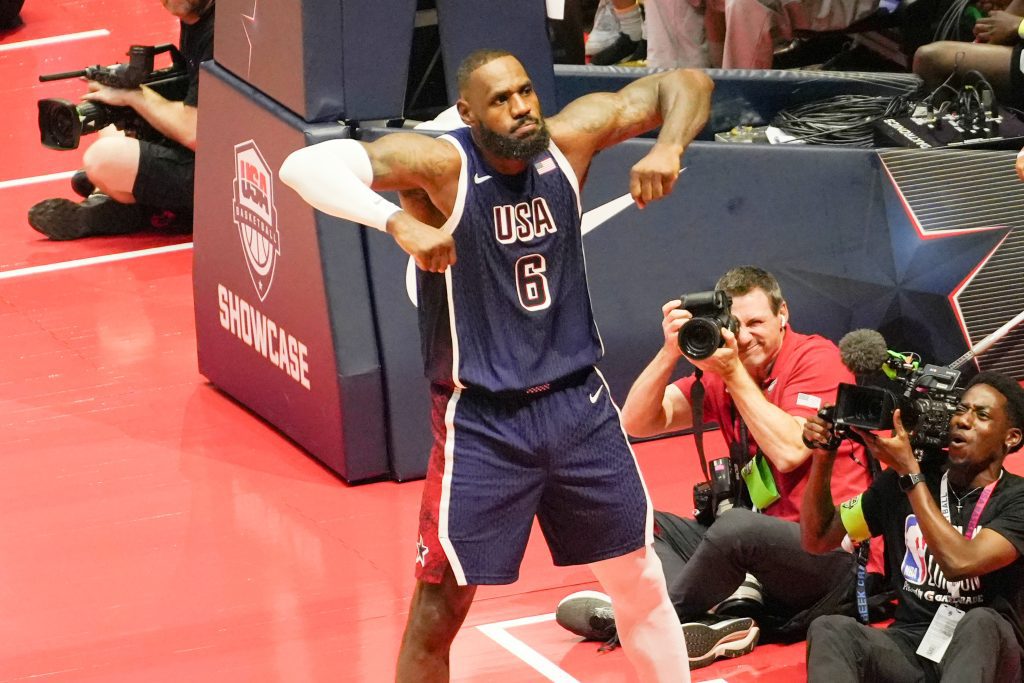
At the same time, James strengthened one of the most valuable commercial portfolios in global sports. His lifetime contract with Nike remains one of the most significant sponsorship agreements in the industry, complemented by partnerships with Pepsi, AT&T, Calm, Walmart, GMC, and Chase. However, many of these relationships have evolved into co-ownership structures and joint business ventures, reinforcing a trend that is becoming increasingly common among the world’s biggest sports stars. Under that logic, accepting a veteran minimum contract with the Philadelphia 76ers is no longer an economic sacrifice but a strategic decision: one made by an athlete whose greatest source of value now lies not on the court, but in the business ecosystem he has built over more than two decades.
 Last related articles