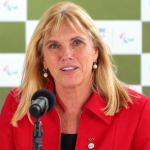
On World Mental Health Day, the International Olympic Committee -IOC- is highlighting the leadership of athletes who are driving a cultural shift around psychological well-being in sport. Through the IOC Mental Health Ambassadors programme, ten Olympians from different sports and regions share their personal experiences to normalise open conversations and foster supportive environments both on and off the field of play.
From Indian shooter Abhinav Bindra to Hong Kong swimmer Camille Cheng, the group reflects the diversity of the Olympic Movement and a shared message: talking about mental health is not a sign of weakness, but a demonstration of collective strength.
Personal experiences inspiring a new generation
South African sprinter Akani Simbine explained that his motivation comes from personal experience: “Many athletes face mental health challenges, but they don’t want to talk about them or don’t know where to turn.” He added, “I’ve been through difficult times myself. On the outside I looked fine, but inside I was really struggling. If my story can give other athletes the confidence to open up, it will be worth sharing.”
Brazilian swimmer Bruno Fratus sees his role as a way of giving back: “It feels like an opportunity to use all the knowledge I’ve gathered. We all struggle at times, and the ambassadors are here to listen. Let’s look out for each other.” For Camille Cheng, ensuring access to the right resources is key: “In elite sport there are always ups and downs, and it’s okay to ask for help. There are many tools available, and my aim is to help athletes find and access the right support.”
Gracie Gold: a story that connects with audiences
American figure skater Gracie Gold features in a short film released by the IOC, reflecting on how her sister played a vital role in her recovery. “If it weren’t for Carly, there wouldn’t be a Gracie. She just showed up for me. You don’t always have to say the right thing; sometimes it’s enough just to be there.” Her story is part of Let’s Move +1, a joint initiative with the World Health Organization -WHO- that promotes physical activity as a means of connection and emotional support.
The campaign encourages everyone to take a small step towards others — going for a walk, training together or simply spending time with someone who may be struggling. According to the IOC, moving together not only strengthens the body but also builds empathy and a healthy mind.
The IOC builds a global network of psychological support
The IOC’s commitment to mental health goes beyond awareness. In 2023, the organisation launched its Mental Health Action Plan, a roadmap with concrete measures to integrate psychological well-being across the Olympic ecosystem. It includes training programmes for coaches and officials, the Train the Trainers course, and access to resources through Athlete365, where the #MentallyFit hub offers tailored guidance and support.
During the Paris 2024 Olympic Games, pioneering initiatives were introduced, including a cyber abuse protection system, Mind Zone relaxation areas in the Olympic Villages, and a confidential helpline available in more than 70 languages. These measures reflect a strategy aimed at creating safer, healthier environments where mental health is treated with the same importance as physical preparation.
Papua New Guinean swimmer Ryan Pini, Ivorian sprinter Marie-Josée Ta Lou-Smith, and Refugee Olympic Team cyclist Masomah Ali Zada are also part of a network that transcends borders. All share the belief that mental well-being is a collective responsibility. As Camille Cheng reminds us, “No athlete should feel alone; we all need support to keep growing, both in sport and in life.”
 Last related articles