For 18 months, some of the biggest names in world tennis maintained an unusual battle away from the courts. It was not a dispute over schedules, results or sporting rivalries, but over the money generated by tennis, players’ conditions and the ability of athletes themselves to participate in decisions that affect their profession. Following the US Open, that public campaign has reached a truce. The best players on the circuit announced the end of their protests against the four Grand Slam tournaments, after months of pressure that even included a media boycott during Roland Garros.
The move brings to an end a campaign led in its final months by voices such as Jannik Sinner and Aryna Sabalenka, who took on a particularly visible role in defending the locker room’s demands after Carlos Alcaraz withdrew from the initiative. The creation of a player advisory council by the Grand Slams appears to have been one of the main reasons tensions eased. However, the truce does not mean that all the demands have been resolved: players will continue seeking a greater share of revenues, better welfare mechanisms and a permanent space from which they can negotiate directly with the tournaments.
The conflict that led players to speak out
The dispute began to take shape around a question that had remained in the background of tennis for years: how much of the huge revenues generated by the Grand Slams actually ends up in players’ hands? The group of athletes demanded that a greater proportion of the resources generated by the four major tournaments be allocated to prize money, with the goal of reaching 22% of their revenues. Alongside this financial demand came other concerns related to player welfare and pensions, particularly relevant in a sport where financial stability is not guaranteed for a large proportion of those competing on the professional circuit.
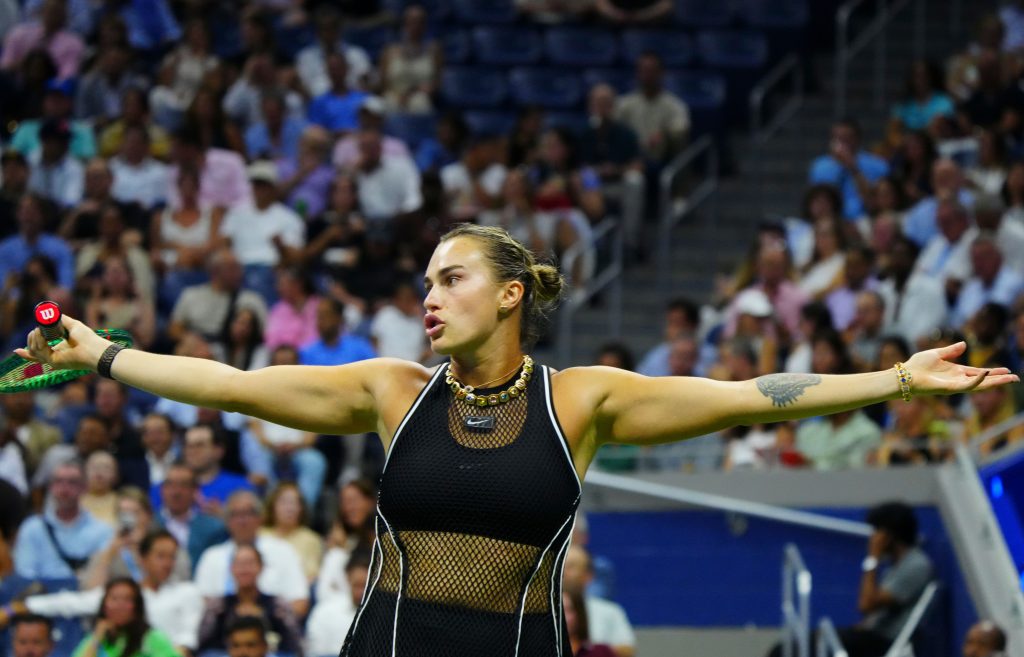
The pressure increased over the following months. The campaign culminated in a media boycott at Roland Garros, while a similar action planned for Wimbledon was ultimately cancelled after the All England Lawn Tennis Club made concessions. The conflict exposed a reality that goes beyond the biggest stars: behind the millions of dollars generated by the leading tournaments is a large group of players who depend on the income earned throughout their careers to support teams, travel and preparation. As a result, the debate over prize money and welfare also became a conversation about who has a voice in a sport whose economic structure is dominated by its most powerful events.
A player council to change the relationship with the Grand Slams
The creation of a Grand Slam player advisory council, announced in August, became the turning point in bringing the public phase of the campaign to an end. For the first time, players will have a formal structure through which they can be consulted directly and maintain an ongoing negotiation with the organizers of the four major tournaments. In their statement following the US Open, the group explained that the protest was coming to an end because there was now an institutional space to continue the work they had begun over the previous 18 months.
The agreement also comes with some concrete progress. The USTA agreed to make a contribution of $2 million for player welfare during this year’s US Open, one of the victories the group included in its assessment of the campaign. But the main financial demand, the goal of allocating 22% of Grand Slam revenues to prize money, remains unresolved. The players have made clear that they reserve the right to restart the campaign if the new council fails to make progress on the objectives set out, while figures such as Sinner and Sabalenka are beginning to represent a generation of stars willing to use their influence not only to compete for titles, but also to have a say in the future of the sport they lead.
 Last related articles