For decades, football has been the cornerstone of Italian sporting culture. Calcio has dominated not only conversations, audiences, and stadiums, but also the country’s sports economy. However, that landscape is undergoing an unprecedented transformation. Driven by a generation of players led by Jannik Sinner, alongside Matteo Berrettini, Flavio Cobolli, and Matteo Arnaldi, tennis has evolved from a secondary sport into a mass phenomenon that is challenging football’s historic dominance.
The figures clearly illustrate this shift. According to the Italian Tennis and Padel Federation (FITP), nearly 19.8 million Italians regularly followed tennis and padel during 2025, compared with 21.6 million who followed football. While interest in racket sports increased by 23% over the past year, football’s audience declined by 4%, amid the Italian national team’s sporting struggles and the outstanding performances of the country’s tennis players on the biggest international stages.
Sporting Success Has Driven a New Way of Consuming Sport
The growth of tennis in Italy is not simply the result of a passing trend, but rather a change in perception driven by results. Jannik Sinner’s emergence as one of the world’s leading players has served as a catalyst for attracting new fans. He has been joined by Matteo Berrettini, Flavio Cobolli, and Matteo Arnaldi, who together have built a competitive generation capable of keeping Italy among the world’s tennis powers.
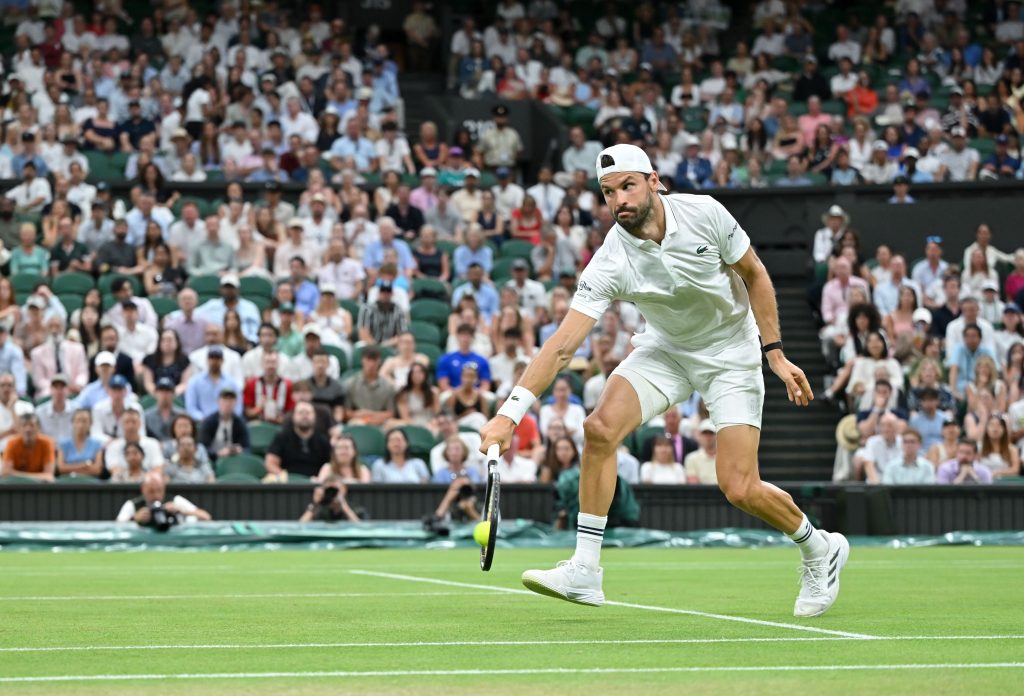
This sporting success has also transformed the way Italians consume sport. Events such as the Rome Masters 1000 and the ATP Finals in Turin have become major sporting and economic attractions, drawing thousands of domestic and international visitors. The consistent presence of Italian players in the latter stages of the biggest tournaments has strengthened fans’ connection with the sport, while football faces a period of uncertainty following disappointing national team results and a loss of competitive prominence on the international stage.
An Economic Model That Challenges Football’s Historic Dominance
Tennis’ growth also has a financial explanation. The FITP has become one of Italy’s strongest sports federations thanks to a management model that relies far less on public funding than many other sporting organizations. In its most recent financial year, it generated more than €230 million in production value, even surpassing the projected revenue of the Italian Football Federation (FIGC), which is expected to be around €200 million.
Tennis’ financial strength is also reflected in its social impact. According to available estimates, tennis and padel generate annual healthcare savings of nearly €24 million for Italy’s National Health Service, compared with approximately €15 million attributed to football. This is largely due to longer-term participation and a lower incidence of serious injuries among adults. Meanwhile, the FITP continues expanding participation through school-based programs developed in partnership with the Ministry of Education, a strategy designed to ensure the growth of future generations of players and fans while further cementing tennis as one of the main driving forces of Italian sport.
 Last related articles