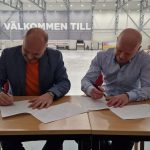
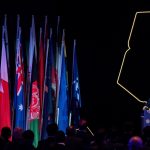
The International Hockey Federation (FIH) brought together its Executive Board on 27 and 28 August in Louvain-la-Neuve, Belgium, during the FIH Hockey World Cup 2026. Under the leadership of Tayyab Ikram, the meeting provided an opportunity to review the organization’s recent performance while addressing the main areas of work that will shape the development of hockey in the coming years. The meeting followed a World Cup that recorded record levels of engagement across digital platforms and was accompanied by a particularly significant milestone for the sport: the first FIH Para Hockey World Cup.
Beyond the results of the major competitions, the agenda offered a broad perspective on the growth of hockey, from its presence within the Olympic Movement and preparations for Los Angeles 2028 to the development of new disciplines, inclusion, digital transformation and sustainability. The Executive Board also reviewed progress on initiatives aimed at increasing participation and strengthening the sport’s structures, together with opportunities linked to Olympic Solidarity, the FIH Academy and new commercial partnerships. In parallel, it received updates on the upcoming FIH Hockey Pro League season and hockey’s participation in the Dakar 2026 Youth Olympic Games.
A strategy connecting hockey’s present with its Olympic future
One of the central focuses of the meeting was the update presented by Tayyab Ikram on the International Olympic Committee’s “Fit for the Future” initiative, which the FIH expressed its full support for. The programme forms part of a broader vision for transforming sport and represents an opportunity for the Federation to consider how hockey can continue to grow and adapt to the changing demands of the international sporting environment. In this context, the President also reported on the implementation of the FIH Empowerment and Engagement Strategy and the opportunities offered by the Olympic Solidarity programme to strengthen hockey’s development across different territories.
Olympic planning also played an important role, particularly with Los Angeles 2028 in focus. The Executive Board received updates on preparations for the US Games, while continuing to work on a roadmap that combines high-level competition with development initiatives. The monitoring of the FIH Hockey Pro League and the upcoming Dakar 2026 Youth Olympic Games forms part of this process, alongside the development of Hockey5s, officiating and other sporting areas. The aim is for major competitions to serve not only as stages for elite performance, but also as platforms capable of expanding hockey’s visibility and participation.
Inclusion, innovation and digital transformation take centre stage
The recent Hockey World Cup also provided an opportunity to examine the evolving relationship between the sport, its audiences and new platforms. The competition achieved record engagement across the FIH’s social media channels, while Watch.Hockey, the Federation’s global streaming platform, recorded significant growth, particularly during the tournament. These results form part of a digital strategy designed to bring competitions closer to new audiences and expand the ways in which fans from different markets can follow hockey beyond the physical venues.
Development and inclusion were also prominent on the agenda. The Executive Board reviewed the work of the FIH Academy, initiatives related to women’s hockey, child safeguarding, sustainability, anti-doping, innovation, technology, marketing, communications and broadcasting. The staging of the first FIH Para Hockey World Cup in Belgium and the Netherlands added a particularly significant dimension to this process, placing inclusion within the calendar of major international events. On the regulatory front, the Board also approved the 2027 Hockey and Indoor Hockey Regulations, which will come into effect on 1 November 2026, while a dedicated workshop advanced work on the FIH’s new strategic framework, which will be presented to the Federation’s Congress in October.
 Last related articles