The Federation of International Bandy -FIB- will elect its next president at the 2027 Ordinary Congress, which it intends to hold during the first quarter of the year. The Executive Committee made the decision at its meeting on 15 September, its first following the summer break, and will announce the date, location and nomination procedures at a later stage. Until then, First Vice-President Stein Pedersen will continue exercising the presidential powers he assumed following the resignation of Henrik Nilsson.
This will not be a routine election. Nilsson was elected in June 2024 as part of the Executive Committee serving the 2024-2028 term, but left office two years later following a governance crisis that placed him at odds with the rest of its members. The statutes allow an Ordinary or Extraordinary Congress to elect a replacement for the remainder of a term. Unless a different decision is adopted, the winner will hold the presidency until 2028 and become the third president elected by FIB since 2022.
From loss of confidence to resignation
The breakdown became public when the Executive Committee unanimously withdrew its confidence in Nilsson. The dispute began after the president requested the resignation of General Secretary Attila Adamfi and indicated that he intended to dismiss him if he did not step down voluntarily. The Executive Committee described the arguments made against Adamfi as “invalid and unfounded” and maintained that he had acted in accordance with decisions taken by Congress, the committee itself and the statutes. It also questioned Nilsson’s attempts to make unilateral changes to working procedures, communication systems and reporting structures, as well as his effort to appoint a deputy general secretary without the required approval.
To maintain the organisation’s activities, FIB established a Management Commission chaired by Pedersen and also comprising Vice-President Antti Parviainen and Adamfi. Nilsson subsequently resigned with immediate effect on 18 June. FIB formally attributed his departure to differences over the possible integration of teams from Russia and Belarus. The federation clarified that it had not approved their automatic return, but had established a working group to examine the recommendations of the International Olympic Committee -IOC-, consult the relevant stakeholders and submit a proposal to the Executive Committee.
Pedersen returns to the helm
The transition returned control to a figure already familiar with the presidency. Article 28.4 of the statutes states that, in the president’s absence, the first vice-president assumes the office’s powers and duties. Pedersen was unanimously elected president in October 2022 after Russian official Boris Skrynnik left the position he had held since 2006. The Norwegian, a former player and coach who was then president of his national federation, led the initial period of institutional reform until the Congress in Stockholm elected Nilsson in June 2024. Two years later, he returned to lead the organisation, although this time on an interim basis.
Congress represents the national federations and is FIB’s highest decision-making body. Member associations may nominate candidates from within their own structures, provided that they meet the citizenship or residency requirements, hold an active position within a federation or club and satisfy the relevant fit-and-proper criteria. A candidate must obtain an absolute majority of valid votes to be elected in the first ballot. If no candidate reaches that threshold, subsequent rounds will be decided by a simple majority. FIB has not yet opened the nomination process or confirmed whether Pedersen will stand as a candidate.
The agenda awaiting the next president
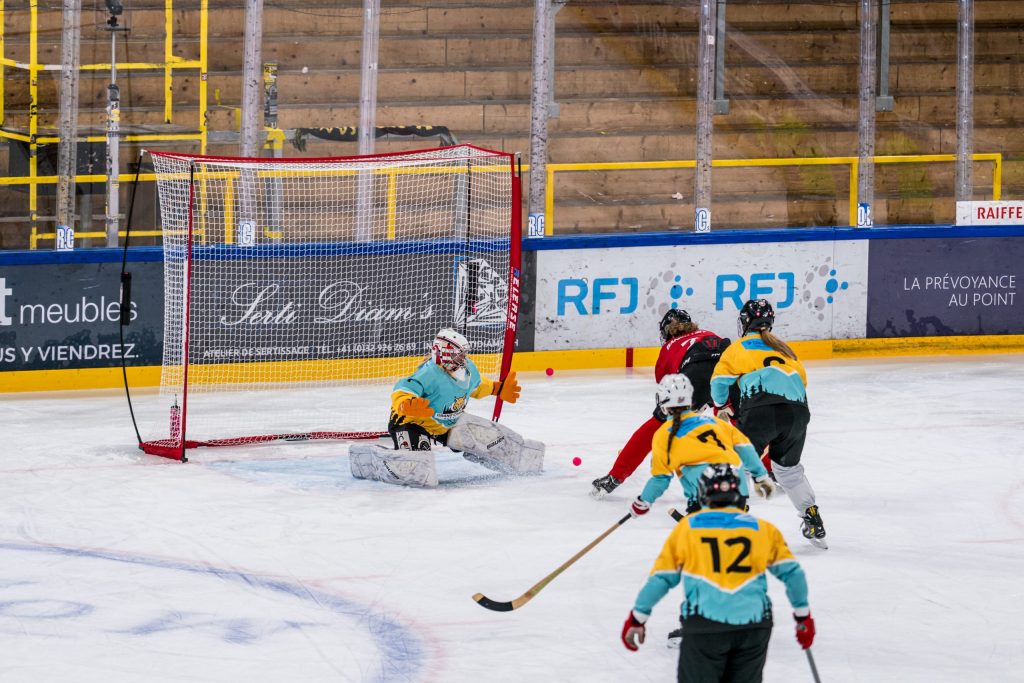
The next president will inherit an institutional period that began with the statutory reforms adopted in 2023 and has since been affected by disputes over the division of responsibilities. One of the first tasks will be to clarify the relationship between the presidency, the Executive Committee and the General Secretariat, whose head oversees the federation’s operational and financial management. The new president will also have to address the position of Russia and Belarus, maintain the international competition calendar and continue projects such as the development of Short Bandy, which staged its first international club tournament in September as a test of a format designed for conventional ice hockey rinks. FIB’s efforts to bring bandy closer to the Olympic Winter Games through a discipline requiring less space and fewer athletes will provide another part of that agenda.
The Executive Committee also used its September meeting to review the composition of FIB’s committees and approve changes intended to keep them operational, although the announcement did not identify the bodies affected or specify the amendments. FIB has placed the reorganisation within its commitment to transparency and regularly publishes approved minutes from Executive Committee meetings. Before Congress, it must still confirm the date, location, nomination deadline and complete election procedures. Pedersen will retain the presidential powers in the meantime, with the federation remaining under interim leadership until its members decide in 2027 who will complete the term that began three years earlier.
 Last related articles