Sarajevo hosted 1,353 veteran judoka from 65 countries from September 20 to 24, before welcoming the World Kata Championships on September 26 and 27.
For several days, the Bosnian capital became a meeting place for generations of judo, bringing together athletes whose connection with the sport extends well beyond their years as competitors.
Many of the veterans are also coaches and referees. They introduce children to the basic principles of judo, keep local clubs active, guide young judoka through victories and defeats, and help pass the values of the sport from one generation to the next.
Holding the World Judo Veterans Championships in Sarajevo, a city that has experienced profound suffering, gave the sound of “Hajime” a meaning beyond the beginning of a contest. It was also the sound of people coming together through a sport built around discipline, respect and human connection.
Sarajevo is not defined only by the suffering it has endured. It is a city where cultures and religions meet, and where life has repeatedly found a way to return. Its modern history includes the 1984 Winter Olympic Games and the devastation of the war that swept through Bosnia and Herzegovina between 1992 and 1995.
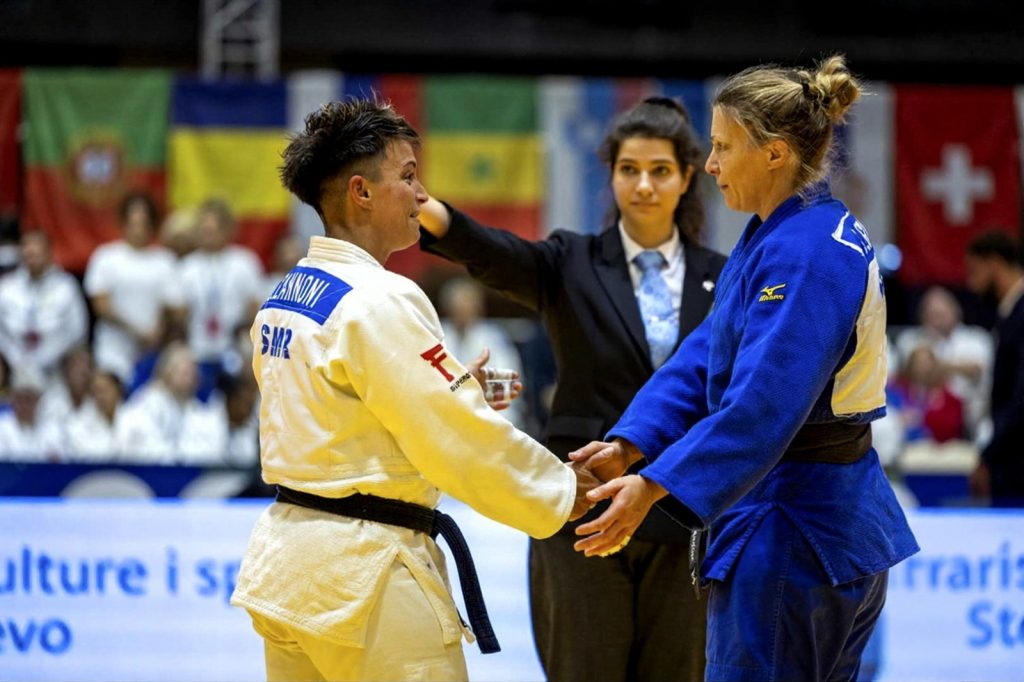
World Veterans Championships, Sarajevo
The presence of the veterans was also significant for Marius Vizer, president of the International Judo Federation. In a post on X, Vizer praised the participants, the IJF commissions and the organisers, writing:
“These championships demonstrate the strength and diversity of judo, bringing together experienced competitors in veterans judo and the technical excellence of kata on the world stage. I would like to congratulate all participants and express my sincere appreciation to the IJF Veterans and Kata Commissions, the Judo Federation of Bosnia and Herzegovina and the local organising team for their work and commitment in delivering these World Championships in Sarajevo.”
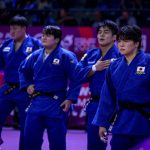
On the tatami in Sarajevo, athletes from different generations and personal backgrounds faced one another in competition. They bowed before the contest and then gave themselves fully to the fight. At the end, regardless of the result, they bowed to each other again.
It was a simple gesture, but one that reflected one of the fundamental principles of judo. Competition does not remove the requirement to respect the opponent.
Judo cannot erase history. It cannot heal Sarajevo’s wounds or answer the questions left behind by war. But it can create a shared space where people from different backgrounds compete alongside one another with respect and courage.
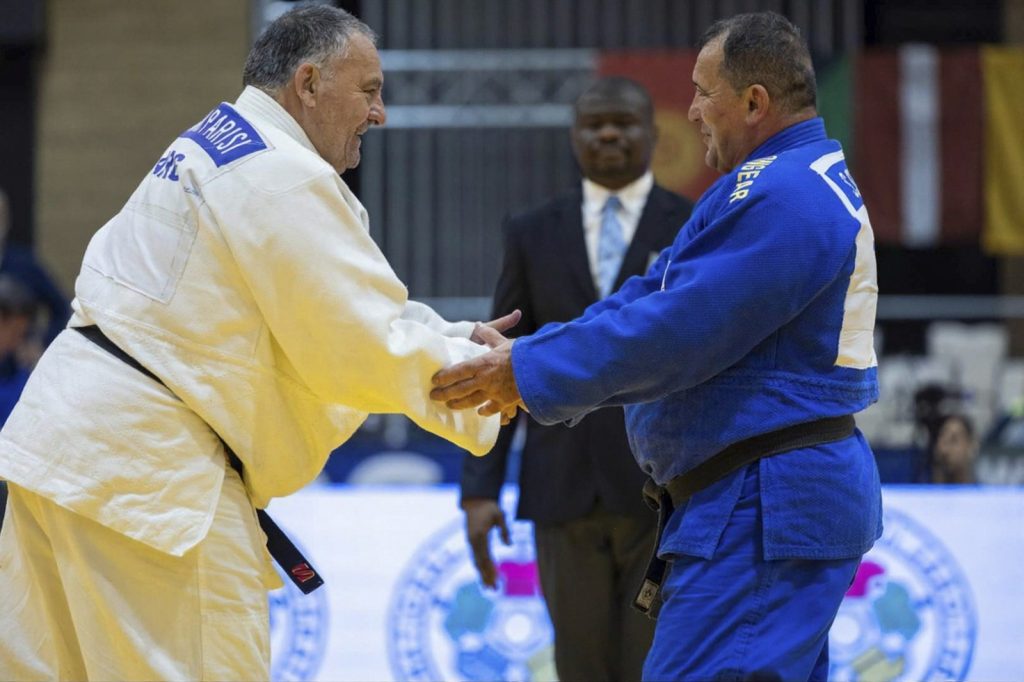
World Veterans Championships, Sarajevo
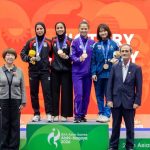
The World Judo Veterans Championships ended with France at the top of the medal table, with 15 gold, 19 silver and 36 bronze medals. Georgia finished second with nine gold, 13 silver and 17 bronze, while Brazil took third place with 9 gold, 4 silver and 9 bronze medals.
Germany, Russia, Poland, Kazakhstan, Romania, Italy and Sweden followed in fourth to 10th place respectively.
The championships were contested across 101 categories based on weight, age and gender.
For the veterans gathered in Sarajevo, the championships were about more than the medal table. They provided another opportunity to compete, meet judoka from different generations and countries, and remain connected to a sport they have helped develop and pass on to others.
In Sarajevo, the sound of “Hajime” once again marked the beginning of a contest. It also brought together people who continue to carry judo beyond the competition arena and into the next generation.
 Last related articles