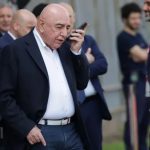
Adriano Galliani is gaining support as a potential alternative to Giovanni Malagò for the presidency of the Italian Football Federation -FIGC-, with elections scheduled for 14 December. The move comes from Serie A clubs that helped bring Malagò to power and are now questioning his leadership. Corriere della Sera identifies Inter, Milan and Atalanta among those exploring another option. The dispute adds a political challenge to the process of restoring an elected leadership following the federation’s placement under extraordinary administration.
Preparations have moved beyond initial approaches. According to Sky Sport, work is under way to register Galliani as an official at an amateur club in Lombardy and prepare the documents needed to submit a candidacy. The former Milan and Monza executive has reportedly indicated an initial willingness to stand, subject to assessing the programme and support available. La Repubblica reports on Sunday that Galliani and Malagò each have the backing of five clubs so far, with negotiations due to take shape before the nomination deadline on 4 November.
From election to extraordinary administration
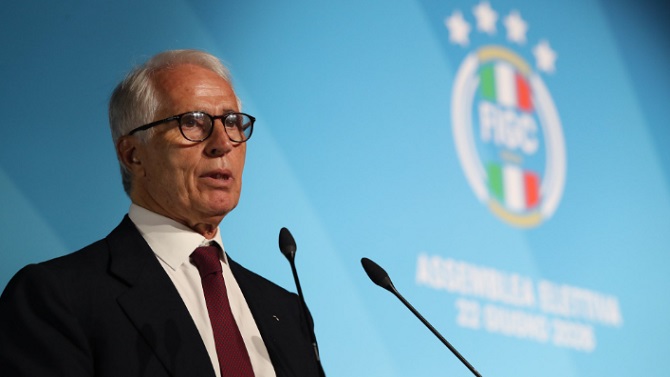
Malagò won the 22 June election with 68.58% of the vote, defeating Giancarlo Abete. However, his election without being registered with the federation triggered a dispute over his eligibility. On 6 October, the Italian National Olympic Committee -CONI- placed the FIGC under extraordinary administration and appointed Malagò himself as extraordinary commissioner to lead it towards fresh elections. The arrangement kept him in charge but required the electoral process to be repeated.
The commissioner has arranged his registration as a team official with Circolo Canottieri Aniene, which competes in a regional futsal league, to address that requirement. He now needs to rebuild his political support. “I’m calling all the presidents one by one. I’ve already spoken to thirteen, and they all guarantee me their support,” he told La Repubblica in an interview. Malagò therefore remains confident of regaining the backing of the top division, which promoted his candidacy in the spring.
Clubs question their involvement in decisions
The growing distance concerns how the federation is run. According to La Gazzetta dello Sport, some clubs believe decisions have been made with insufficient involvement from those who backed Malagò. Examples include the appointment of Roberto Mancini as national team coach, when some clubs preferred Antonio Conte, and the selection of Diana Bianchedi as head of the national team delegation. The disagreements extend to other federation positions and reflect differing expectations about the role of the groups that helped secure his election.
Galliani brings a career closely tied to club football and its representative bodies. During his long spell at Milan, he was part of an era that delivered 29 trophies; he later led Monza to their first promotion to the top flight. He also chaired the professional league between 2002 and 2006 and subsequently held positions within the Serie A and Serie B leagues. That experience explains his ability to engage with different constituencies, whose backing will be needed to turn the current discussions into a competitive candidacy.
Endorsements and alliances will shape the contest
The electoral regulations require each contender to submit a programme and secure endorsements from at least half plus one of the delegates from a league or from the players’ or coaches’ representatives. A candidacy endorsed through Serie A therefore needs eleven of its twenty representatives. The top division accounts for 18% of the federation’s vote; the remainder belongs to Serie B, Lega Pro, amateur football, players and coaches. Election requires an absolute majority of valid votes cast, so backing from the leading clubs must be complemented by alliances across those constituencies.
The 14 December assembly will take place in Fiumicino, Italy. Before then, the collection of endorsements will determine whether Malagò retains the initiative among the clubs that promoted him or Galliani gathers enough support to stand. The debate over involvement in appointments accompanies those negotiations: the groups that helped elect the president in June are deciding whom to back again, this time after assessing his first months in office.
 Last related articles