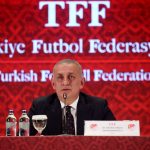
The Turkish Football Federation -TFF- imposed 45-day bans on 147 current and former club officials on 20 October for breaching its betting rules. Those sanctioned include Ertuğrul Doğan, president of Trabzonspor, and Ahmet Dal, president of Erzurumspor FK. The decision affects officials responsible for running professional football clubs, bringing compliance with betting restrictions into focus at boardroom level.
The Professional Football Disciplinary Board -PFDK- examined 448 cases and imposed no sanctions in the remaining 301, finding that the elements of the alleged offence had not been established. The proceedings concerned individuals who had held positions over the previous five years at clubs in Turkey’s top two divisions. They were referred to the disciplinary board in late September and provisionally suspended while their cases were examined.
What the bans entail
The sanctions restrict the duties those affected can perform while serving their bans. Article 25 of the disciplinary regulations defines a ban as a prohibition on undertaking administrative, sporting or any other football-related activities, including entering stadiums for official matches. It therefore affects the exercise of club leadership responsibilities throughout that period.
The rulings apply Article 57.2, concerning betting, alongside Article 13, which allows penalties to be reduced for mitigating circumstances. The former provides for sanctions of between three months and one year; the latter permits a reduction of up to half. The prohibition covers direct or indirect betting on football matches and related activities. The sanctions concern breaches of that betting prohibition; the rulings do not establish that those involved manipulated results.
One investigation, different outcomes
The 301 cases that resulted in no sanction account for a substantial proportion of the outcome. They include cases involving officials or former board members of Beşiktaş, Fenerbahçe and Galatasaray. The board determined that the elements of a disciplinary offence had not been established. Individual assessments therefore produced different decisions within the same investigation: approximately two-thirds of those whose cases were examined received no sanction.
The official publication identifies each individual, records the outcome of their case and specifies the provisions applied. However, the entries provide brief explanations without setting out the dates, transactions or circumstances underpinning each conclusion. Those details matter when seeking to understand why some cases resulted in no sanction and others in a ban, and which mitigating factors justified reductions. Access to that reasoning would allow a more precise assessment of how consistently the criteria were applied across the cases.
Oversight of club leadership
The institutional significance lies in the responsibilities of those affected. Club officials make sporting, financial and organisational decisions and may have access to internal club information. Their position underlines the importance of betting restrictions and of extending compliance mechanisms to governing bodies. Training on taking office, clear communication of prohibitions and channels for reporting possible breaches are practical areas in which clubs can prevent conflicts of interest.
The decisions can be appealed to the TFF Arbitration Board within seven days of notification. The regulations state that an appeal does not automatically suspend enforcement, although those concerned may request a stay. Any appeal rulings will determine whether the bans are upheld, their duration is revised or the assessment of an individual case changes.
 Last related articles