
The judo competition at the Taranto 2026 Mediterranean Games provided another opportunity for an exclusive meeting with Dr Envic Galea, Chair of the IJF Academy and technical delegate for judo at the Games.
A leading figure in judo education and development, Galea spoke to SportsIn on the sidelines of the competition about the growing importance of education within the sport, the development of the International Judo Federation’s educational system and the transformation of judo into a truly global sport under IJF President Marius Vizer.
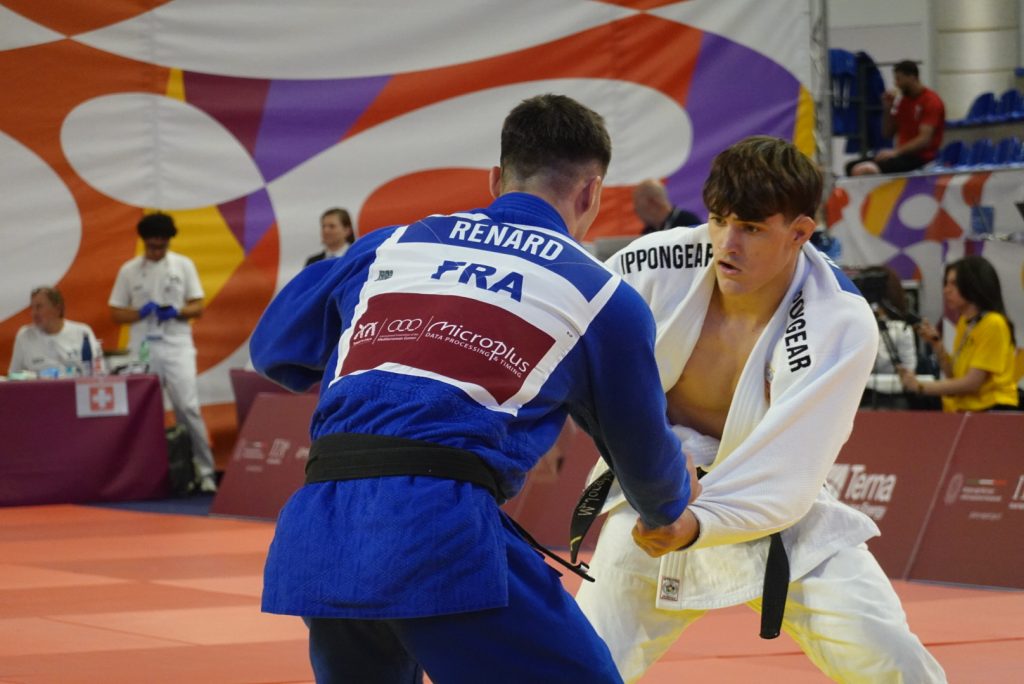
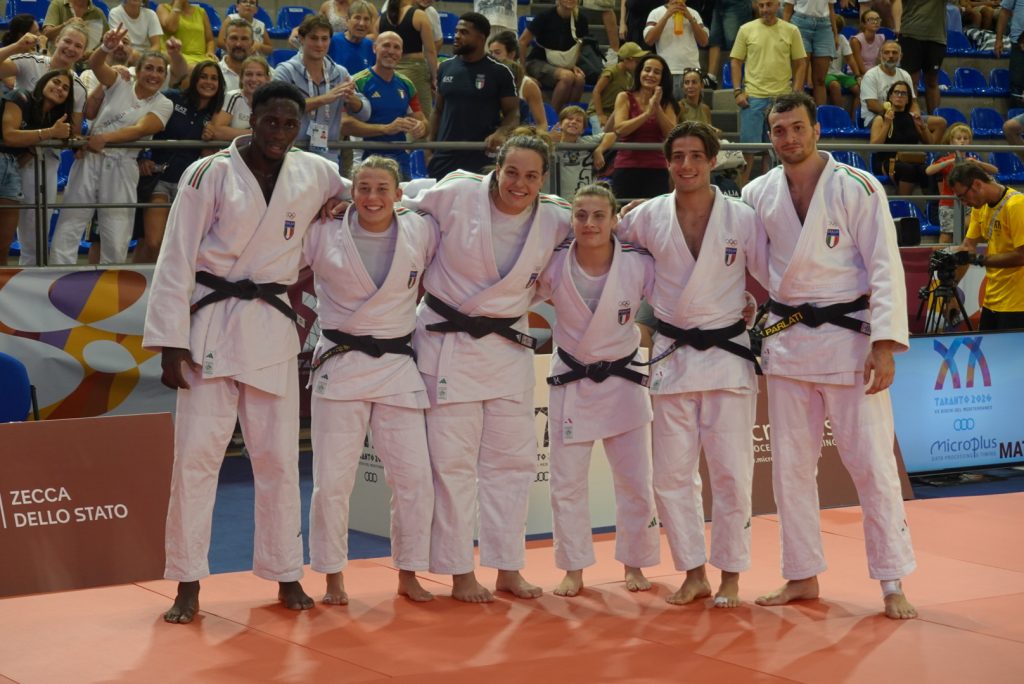
Judo was contested in Taranto from 28 to 30 August, with individual events for men and women followed by the Mixed Team competition. Twenty-two Mediterranean countries took part.
Despite the competition coinciding with the Lausanne Grand Slam, where many of the world’s leading judoka were competing on the road to the Los Angeles 2028 Olympic Games, several nations brought strong teams to Taranto, including Türkiye, Italy, Algeria, Morocco and Slovenia.
For Galea, however, the value of the Mediterranean Games extends well beyond the medals. He highlighted the progress made by countries such as Syria and Cyprus, while stressing the importance of the Games as an opportunity for emerging judoka to gain international experience.
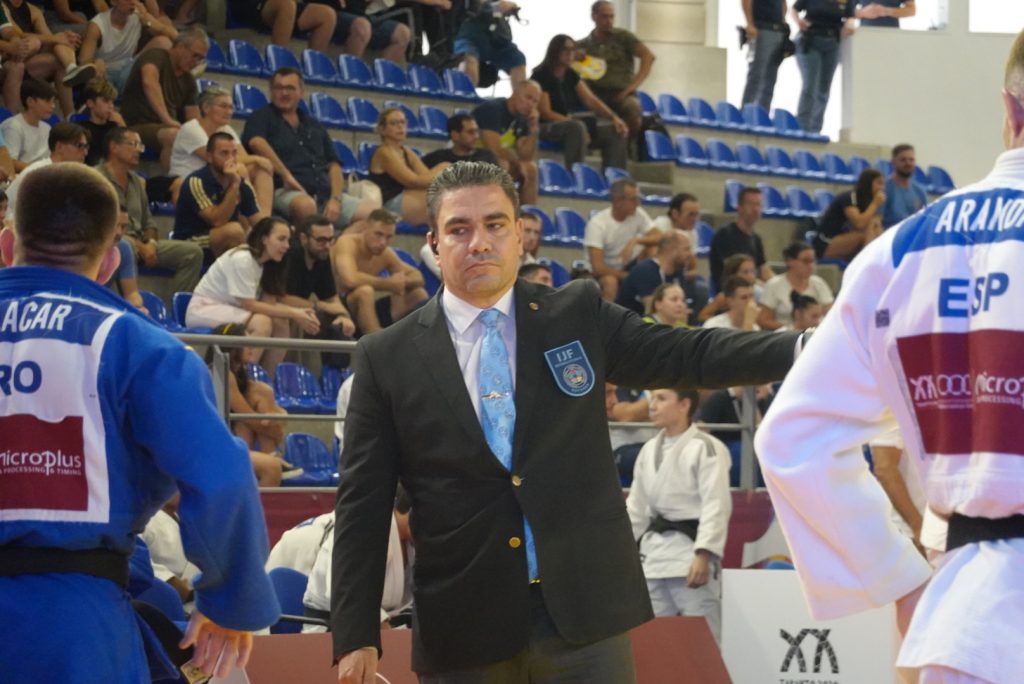
“The Mediterranean Games are important for young judoka who are looking to make their name,” Galea explained. “They can use an event like this to gain experience. For many of them, it can become a stepping stone towards competing at World Championships, Grand Slams and Grand Prix events.”
The quality of the competition at the Wojtyla Sports Hall was also notable, both in terms of organisation and the technical level of the participating teams. That progress, Galea suggested, is closely connected to a broader transformation that has taken place within international judo, particularly in the field of education.
One of the priorities repeatedly emphasised by Marius Vizer since taking the leadership of the IJF, Galea said, has been the standardisation of education across the international federation.
“At the IJF Academy, we first developed and delivered our educational programmes based on the needs of the sport,” Galea said. “Today, we have become an accredited higher education provider. All of this began with President Vizer’s leadership of international judo and it continues to develop.”
Building an education system
Galea explained that the IJF’s higher education pathway was built around a number of fundamental principles, including standardised curricula, formal assessment, quality assurance, a clear governance structure, a balance in learning delivery and alignment with universities.
According to Galea, these elements have helped create an educational system capable of serving judo beyond individual national structures, while making high-quality education more accessible internationally.
He recalled an interview he gave to a sports television journalist from Euronews following Vizer’s second election as IJF President.
“The journalist asked me what the difference was between judo before Marius and judo today under Marius,” Galea recalled.
“I remember my answer very clearly. Before Marius, judo was Japanese judo. After Marius Vizer became President of the IJF, judo remained Japanese, but at the same time it became a global sport.”
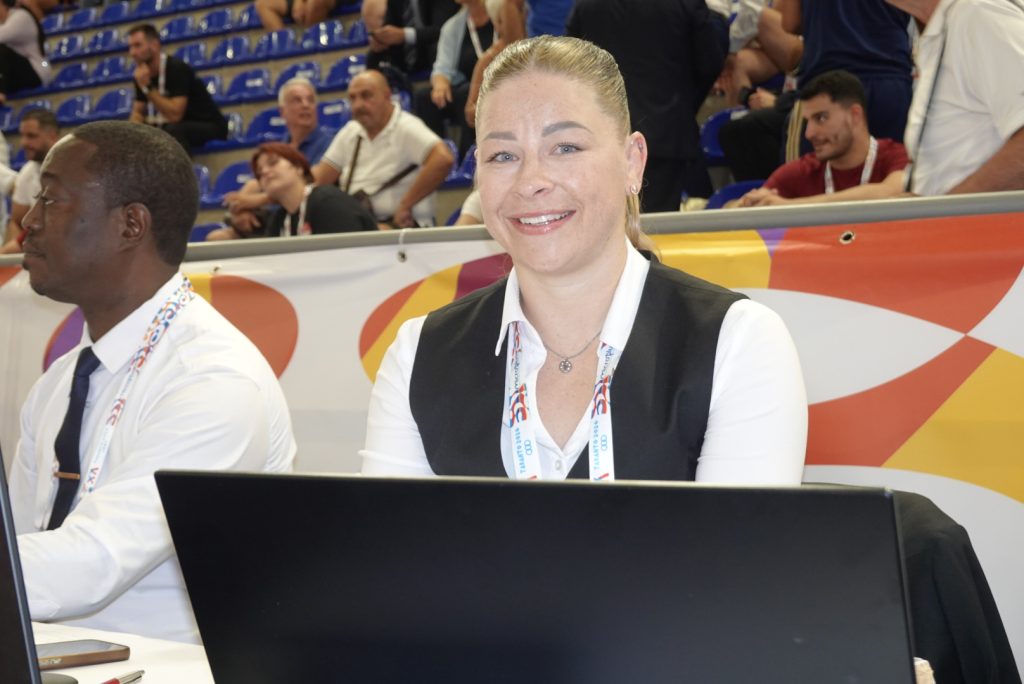
For Galea, the internationalisation of judo is also reflected in the way the sport is presented to audiences.
“The rules of judo are understandable to spectators,” he said. “Before the referee announces a decision, spectators already know what has happened on the tatami.”
He believes that accessibility has been an important advantage for the sport, helping to attract audiences to arenas while also making judo easier to follow through television and other media platforms.
“This has helped bring spectators into stadiums and, at the same time, has allowed judo to reach people in their homes through the media.”
From doctoral research to global impact
The educational journey of judo under Vizer’s leadership has also been closely linked to Galea’s own academic and professional work.
Galea holds a PhD from the University of Hertfordshire in the United Kingdom. His doctoral research, conducted under the supervision of Professor Michael Callan and Dr David Kothaus, examined how an international sports federation could establish a powerful, credible and accessible global coach education system.
His research examined the significant transformation of the IJF Academy, which evolved from a federation-managed coach education programme into an accredited provider of higher education programmes. The project represents the culmination of decades of experience in sport, education and organisational development.
His central belief is that the future of sport cannot depend solely on producing elite athletes. It also depends on investing in the education of the people who coach, guide, support and inspire those athletes.
The development of coaches and sports professionals, therefore, becomes an essential part of building sustainable sporting structures and ensuring that knowledge and expertise can be transferred across generations and borders.
Praise for Taranto 2026
At the conclusion of the conversation, Galea praised the organisers of the Taranto 2026 Mediterranean Games and specifically acknowledged the work of Pietro Amendola in preparing the judo venue.
He also, however, highlighted an important issue inside the Wojtyla Sports Hall, where adequate ventilation and cooling facilities were lacking.
Galea said the high temperature inside the venue had an impact on the performance of the judoka, making the demanding conditions even more challenging for athletes competing at a high technical level.
Nevertheless, his overall assessment of the judo competition in Taranto was positive.
For Galea, the Mediterranean Games once again demonstrated the value of bringing together established names and emerging athletes, while providing young judoka with the experience they need to take the next step on the international stage.
And behind that sporting pathway lies a broader ambition: ensuring that the people who develop athletes are themselves educated through a system that is standardised, credible, academically recognised and accessible across the world.
 Last related articles


