The European Judo Cadet Championships 2026 will take place in Gran Canaria from 29 June to 2 July, bringing together the next generation of continental judo at one of the first major international stages of their careers. Many world champions, Olympic medallists and leading names in European judo first emerged in competitions at this level before reaching the senior elite. Organised under the framework of the European Judo Union -EJU-, the event will feature three days of individual competition before closing with the mixed team event at the Gran Canaria Arena.
Spain will host the European Cadet Championships for the first time, with Las Palmas de Gran Canaria staging an edition of special significance for the local organisers. Juan Carlos Barcos Nagore, president of the Royal Spanish Judo Federation -RFEJYDA-, described the championships as “a significant milestone for Spanish judo and for the city”, and highlighted that the Gran Canaria capital “has established a strong tradition of hosting major judo competitions and international sporting events”.
Barcos Nagore also presented the tournament as an opportunity to “once again open our doors to the future stars of European judo and to the entire judo family”. In his welcome message, he said the event would be a celebration of “youth, talent and determination”, while also thanking the European Judo Union, the Cabildo de Gran Canaria and the Government of the Canary Islands for their support in organising the championships.
A competition that is no longer small
The history of the European Cadet Championships dates back to 1962, when Essen, in Germany, hosted the first edition with only three titles at stake. Between 1962 and 1978, only boys competed, before a long break ended in 2000 in Oradea, Romania, with both male and female categories included. Gran Canaria will now host the 42nd men’s edition and the 25th women’s edition of the championships.
The scale of the tournament is now very different from its early years. The participation record was set in 2024, when 511 judokas from 44 countries competed in Bulgaria, a figure that reflects the growing weight of the cadet category in the European calendar. The year 2026 will also be especially important for this generation, as Gran Canaria will be followed by the Cadet World Championships in Guayaquil in August and the Youth Olympic Games in Dakar in October.
The tatami as a school of values
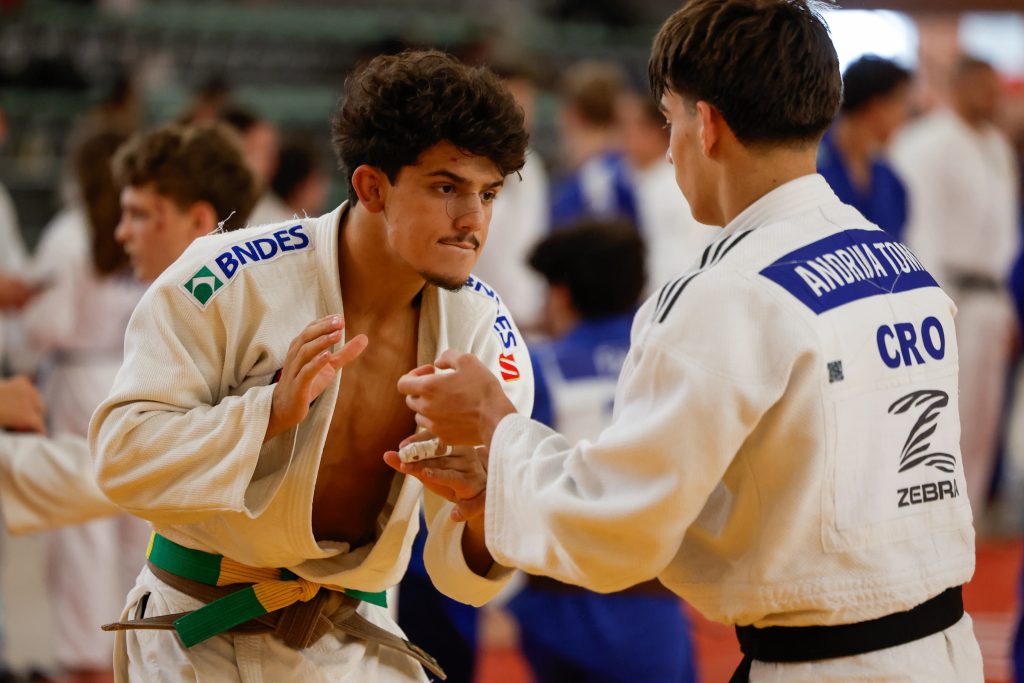
László Tóth, president of the European Judo Union, stressed in his welcome message that competing at cadet level represents “an important milestone” for young judokas, as it shapes “not only athletic performance, but also character, resilience, and the values that define our sport”. He also recalled that the championships are “not only about results”, but about growth, experience and the spirit of judo that brings together everyone involved in the competition.
The format also reinforces that idea of all-round development. The individual competition will take place from 29 June to 1 July, while 2 July will be reserved for the mixed team event. That final day adds a collective dimension to a stage closely linked to personal development, with national federations forming teams of boys and girls across different categories.
Spain, historical references and the future
The home crowd will also have reasons to follow the Spanish delegation closely. At the last edition, Aiora Martin Carriches claimed a bronze medal for Spain after becoming cadet world and European champion in 2024, a recent example of how this category can quickly project emerging talent. Historically, Russia leads the championship medal table, while Azerbaijan and France also stand among the leading references in the competition.
Gran Canaria will therefore host more than a continental youth championship. For four days, the Gran Canaria Arena will become the meeting point for a generation beginning to test itself beyond national borders and already looking ahead to Guayaquil and Dakar in the months to come.
 Last related articles