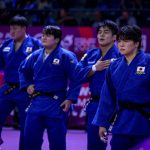
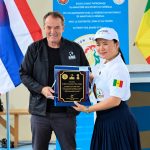
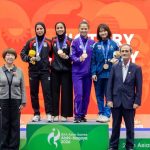
The third edition of the Genoa Open International Grand Prix 2026 brought together 254 athletes from four continents in an event described by the Ju-Jitsu International Federation as one of its key competitions of the year. Italy hosted the tournament as part of its growing role in international Ju-Jitsu, though officials stopped short of framing the event as a milestone for the sport’s future in Europe.
Competitors arrived from 16 European nations and four Asian countries, including Kazakhstan, Turkmenistan, Kuwait and Saudi Arabia. Smaller delegations represented Africa and the Americas, bringing the total number of entries across all systems to 320. Organisers noted that participation remained stable compared with previous editions, reflecting sustained but measured growth in the discipline.
The event was staged at the Palasport Waterfront di Genova, which accommodated more than 2,000 participants and spectators. Local authorities, including the Municipality of Genoa and the Liguria Region, provided logistical and financial assistance. Tournament results and technical management were handled by Sportdata, which supplied digital infrastructure for scoring and data processing.
On the competitive side, Italy’s national team topped the medal table with 18 gold, 15 silver and 19 bronze medals. Kazakhstan finished second with seven golds and 25 medals overall, while Turkmenistan also secured seven golds and 18 medals. The distribution of results highlighted the continued strength of Central Asian competitors and the competitive balance of the field.
The Grand Prix was supported by domestic sporting institutions, including FIJLKAM and the Comitato Olimpico Nazionale Italiano. Officials said the partnership reflected Italy’s broader interest in hosting international events, though they emphasised that decisions on future competitions would depend on technical and organisational criteria.
While organisers characterised the tournament as a successful edition, observers noted that its significance lies primarily in sustaining an established competition rather than transforming the landscape of international Ju-Jitsu. The scale of participation and professional organisation in Genoa indicate steady interest in the sport, even as its global development remains incremental.
 Last related articles