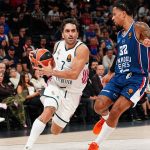
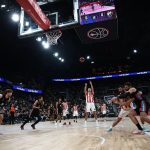
The partnership between Africell and NBA Africa, signed in New York, expands the collaboration that began in Angola in 2022 and now includes the Democratic Republic of the Congo, The Gambia, and Sierra Leone. The initiative aims to promote education and youth participation through basketball, aligning with the social impact goals of the Africell Impact Foundation. According to both organizations, the project combines athletic development with values-based education and opportunities for young people across the four countries.
Africell Group Chairman and CEO Ziad Dalloul said, “It’s hard to overstate the magnetic pull that the NBA brand enjoys in Africa,” adding that the partnership will help “share inspiration and excellence with Africell’s young customers.” NBA Africa CEO Clare Akamanzi noted that “our experience in Angola has shown how basketball can inspire, empower, and transform lives,” expressing her enthusiasm about expanding into new African markets.
Angola, the foundation of an educational and sporting model
Angola has been the testing ground for the project since its launch in 2022, with programs focused on education, equality, and youth participation. In 2024, NBA Africa and Africell opened an indoor basketball court in Luanda, which has become a permanent hub for the Jr. NBA league, training clinics, and school activities. A youth event held there brought together 250 young players from Lubango, combining technical training with lessons in leadership and teamwork.
The Jr. NBA Angola program includes 40 under-16 teams for boys and girls, reaching more than 10,000 participants in its first year. Beyond sports training, it offers STEM (Science, Technology, Engineering and Mathematics) sessions and the Her Time to Play initiative, promoting female participation in sports. This structure connects academic and athletic education, strengthening local talent pipelines and creating a lasting educational impact.
NBA Africa, a platform for talent and development
Beyond Angola, NBA Africa runs a network of programs that blend education, personal growth, and professional opportunity. Its Jr. NBA initiative reaches more than 350,000 young people across the continent through school leagues and training sessions focused on the values of teamwork, discipline, and respect. Through Basketball Without Borders Africa, dozens of young athletes from various countries take part each year in leadership and life-skills camps alongside NBA and FIBA coaches and players.
In Senegal, the NBA Academy Africa provides both academic and athletic development for emerging prospects, linking their training to the Basketball Africa League (BAL) — the professional league uniting clubs from twelve countries. Together, these programs form a clear pathway from grassroots participation to elite competition, helping to strengthen the overall basketball ecosystem in Africa.
Role models and a growing generation
Numerous NBA players and coaches regularly participate in African camps, reinforcing the link between education and high performance. Luc Mbah a Moute, from Cameroon, has spearheaded scouting and training projects that helped discover stars such as Joel Embiid and Pascal Siakam. Serge Ibaka, from the Democratic Republic of the Congo, leads educational and health initiatives through his foundation, while Masai Ujiri’s Giants of Africa brings together hundreds of young players each year in socially driven sports camps.
The growing African presence in the NBA reflects the success of these development programs: the 2024-25 season features 17 African-born players on opening-night rosters, compared with 10 a decade ago. In the NCAA Division I, the number of African players has risen from 69 in 2009-10 to 174 in 2024-25, highlighting the expansion of the talent base. This steady growth is closely linked to the educational and developmental work championed by NBA Africa and its partners, including Africell, which continues to invest in strengthening the foundations of African basketball.
 Last related articles