The Asian Games have always been defined by their scale. Unlike the Olympics, they bring together a much broader sporting programme, reflecting the size, diversity and competitive traditions of the continent. That breadth is part of what gives the Games their identity. But as Aichi-Nagoya 2026 is now underway, a more fundamental question deserves attention. Does a bigger programme necessarily make for a better Games?
There is an obvious argument in favour of variety. The Asian Games provide a platform for sports and athletes that may not receive the same international exposure elsewhere. A broad programme can also reflect the sporting cultures of a continent where competitive traditions vary considerably from one country to another. In that sense, diversity is not simply about numbers. It is part of the character of the event.
But diversity has a limit. Adding competitions can increase the size of the Games without necessarily increasing their sporting value. Every additional event requires venues, officials, equipment, accommodation, transportation, broadcasting capacity and organisational attention. Those resources are not unlimited. The question is therefore not simply how many sports can be included, but what each one contributes.
The quality of diceplines is central to that calculation. A sport can have a legitimate place in the programme while still raising questions about competitive depth, participation or audience interest. The presence of an event does not automatically make it meaningful. For a multi-sport event of this scale, sporting value has to be considered alongside the cost and complexity of staging it.
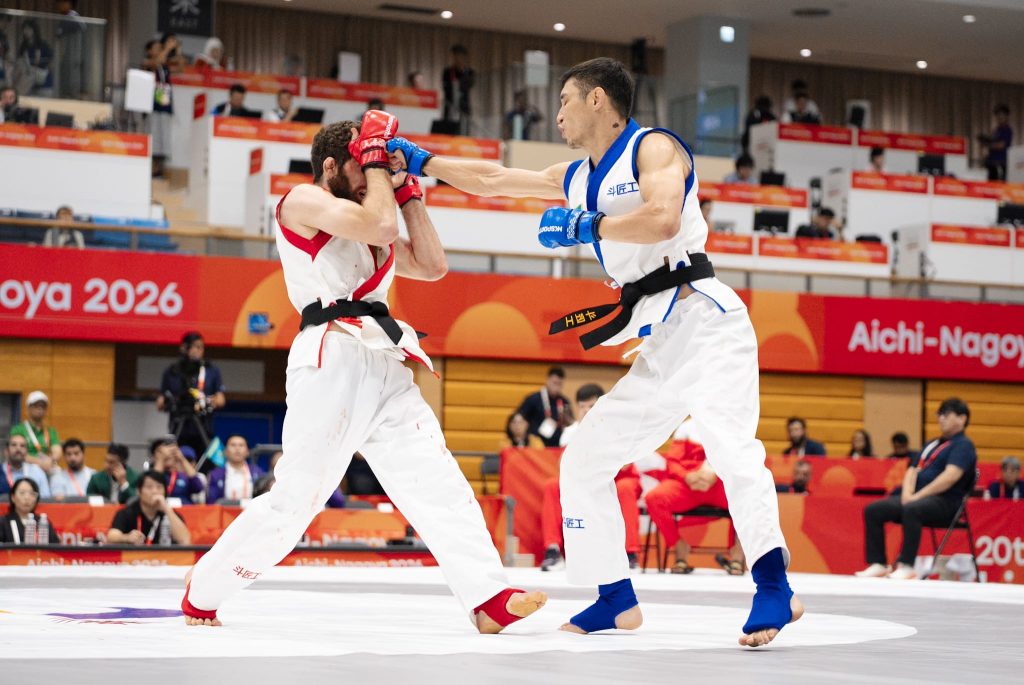
This is where the Asian Games face a delicate balance. Their purpose is not to reproduce the Olympic programme, nor should they be expected to follow the same model. The Asian Games have their own history and regional role. At the same time, their distinctive identity cannot simply be measured by how many competitions they can accommodate.
Aichi-Nagoya illustrates that tension. The 2026 programme contains 43 sports, 71 disciplines and 469 events, making it one of the largest multi-sport programmes in international sport. The scale creates opportunities for athletes and federations across Asia, but it also places greater demands on organisers and potentially makes it harder for audiences to follow the competition as a whole.
There is also a media dimension. The larger the programme becomes, the more difficult it is for individual competitions to command sustained attention. Television schedules, digital platforms and newsrooms must make choices about what receives coverage. More competitions can therefore mean more opportunities for athletes, but also greater fragmentation of the audience.
The comparison with the Olympic movement is instructive. Brisbane 2032 is working with a base programme of 28 sports and 10,500 athletes. That does not mean a smaller programme is inherently superior. It does, however, demonstrate a different approach to controlling the scale of a major multi-sport event and concentrating resources around a defined programme.
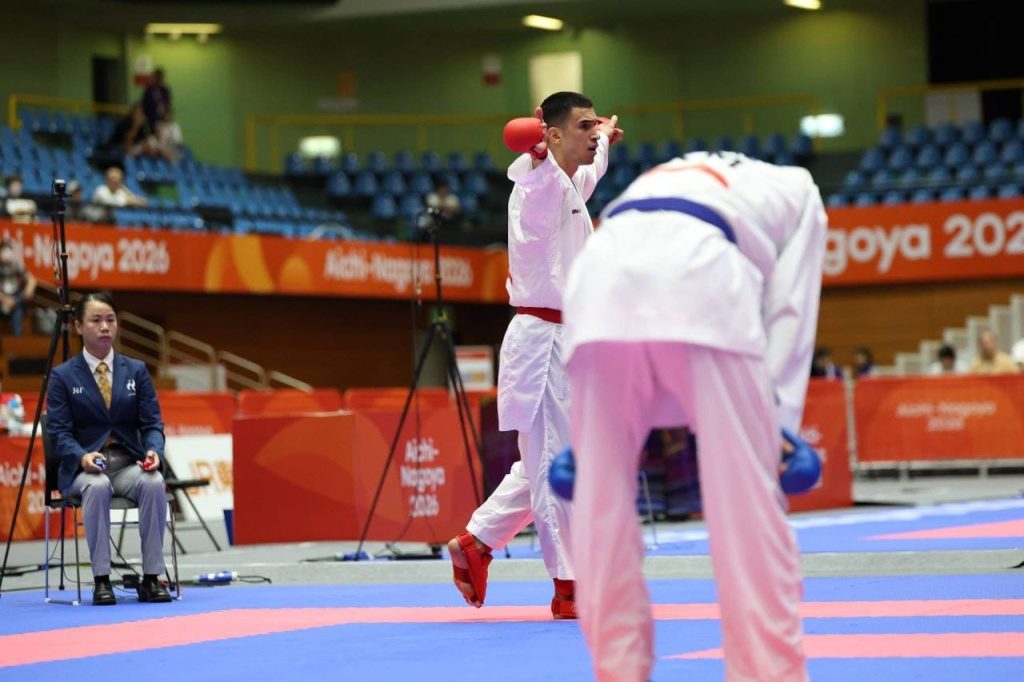
For the Asian Games, the answer may lie somewhere between expansion and restriction. The objective should not be to reduce the programme simply for the sake of becoming smaller, nor to keep adding sports simply to make the event appear larger. Each inclusion needs a clear sporting rationale, meaningful competition and a reasonable relationship between its value and the resources required.
That principle becomes particularly important as the Asian Games evolve. New sports can bring younger audiences, new commercial opportunities and greater relevance to changing sporting interests. But novelty alone is not enough. The long-term strength of the Games depends on whether new additions become meaningful parts of the competition rather than simply additions to an already crowded programme.
A successful Asian Games should therefore be judged by more than its size. Participation, competitive quality, sporting development, cultural relevance, audience interest and responsible use of resources all matter. Numbers can demonstrate scale, but they cannot by themselves demonstrate quality.
Aichi-Nagoya 2026 provides a useful live test of that balance. The Games are large enough to showcase the extraordinary breadth of Asian sport. The more important question is whether that breadth is being matched by the quality and purpose expected from one of the world’s major multi-sport events.
More sports can create a bigger Games. Meaningful competition, sound investment and a clear sporting purpose are what can make it a stronger one.
 Last related articles