Greek weightlifter Despoina Polaktsidou is seeking to strengthen athletes’ influence over decisions made by the International Weightlifting Federation. As secretary of the European Weightlifting Federation Athletes Commission, she argues that athletes should have a greater say in decisions affecting their careers and welfare.
Polaktsidou is one of 17 candidates competing for 10 places on the IWF Athletes Commission. The election will take place during the World Weightlifting Championships in Ningbo, China, from 28 October to 6 November 2026. It is the second time in the IWF’s history that athletes have elected commission members directly.
Her candidacy builds on her experience representing athletes at European level. She believes those who have experienced the demands and challenges of competitive weightlifting first-hand should play a meaningful role in determining the sport’s future.
“Running for the IWF Athletes Commission is a natural continuation of that commitment. I want to bring both my personal experience and the trust I have gained through my involvement in athlete representation to the international level,” she says.
For Polaktsidou, the issue goes beyond giving athletes a voice within the organisations that govern their sport. It also concerns when that voice is heard. She argues that athletes should be consulted before decisions are made, rather than being left to deal with the consequences afterwards.
“I believe athletes should not only be heard when decisions have already been made. They should have the opportunity to contribute before those decisions are taken, especially when they directly affect their careers, well-being and future.”
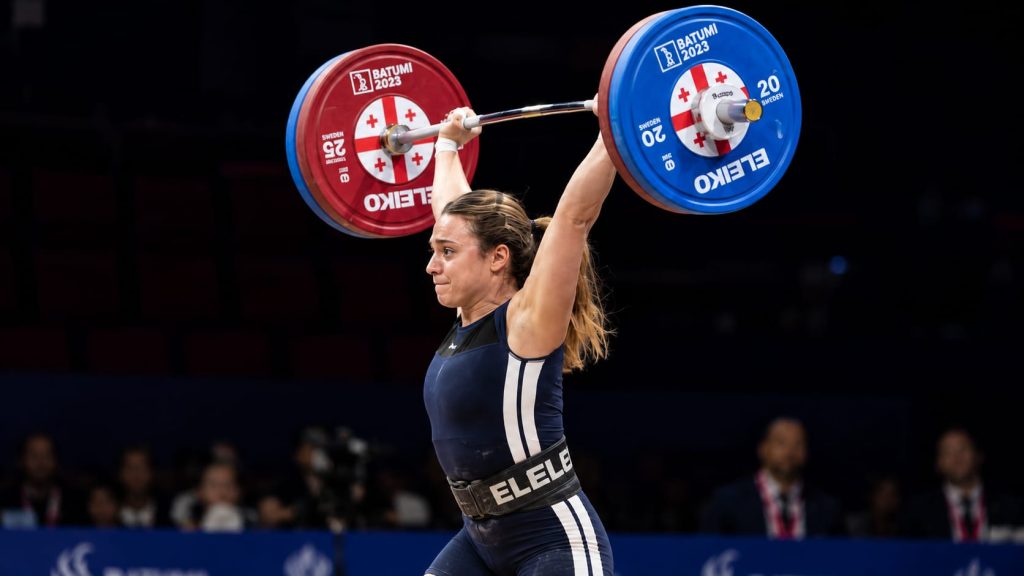
Despoina Polaktsidou, Batumi 2026
Weightlifting’s place in the Olympic movement brings international recognition and opportunities, but Polaktsidou believes it also places a responsibility on governing bodies to protect the people at the heart of competition. In her view, athletes must have a genuine role in shaping decisions, rather than representation remaining a stated principle.
If elected, she wants to improve communication between weightlifters and the IWF, creating more opportunities for athletes to raise concerns and contribute to discussions about the sport’s future.
“My priority would be to strengthen communication between athletes and the IWF, creating opportunities for open dialogue, listening to athletes from different countries and backgrounds, and ensuring that their concerns are brought forward constructively.”
Ensuring that representation reflects athletes’ different circumstances remains a challenge. Financial resources, training conditions and access to support vary considerably between countries, leaving some weightlifters with fewer opportunities to develop their careers.
Polaktsidou believes these differences deserve greater attention. An academic biologist, she argues that athlete welfare should extend beyond performance and competition results to include mental health, financial difficulties, access to suitable training facilities, educational and employment opportunities, and the transition to life after elite sport.
For many athletes, pursuing a career in weightlifting means balancing demanding training schedules with education, employment and financial pressures. Retirement from competition can bring further uncertainty, particularly for those who have had limited opportunities to prepare for life outside sport.
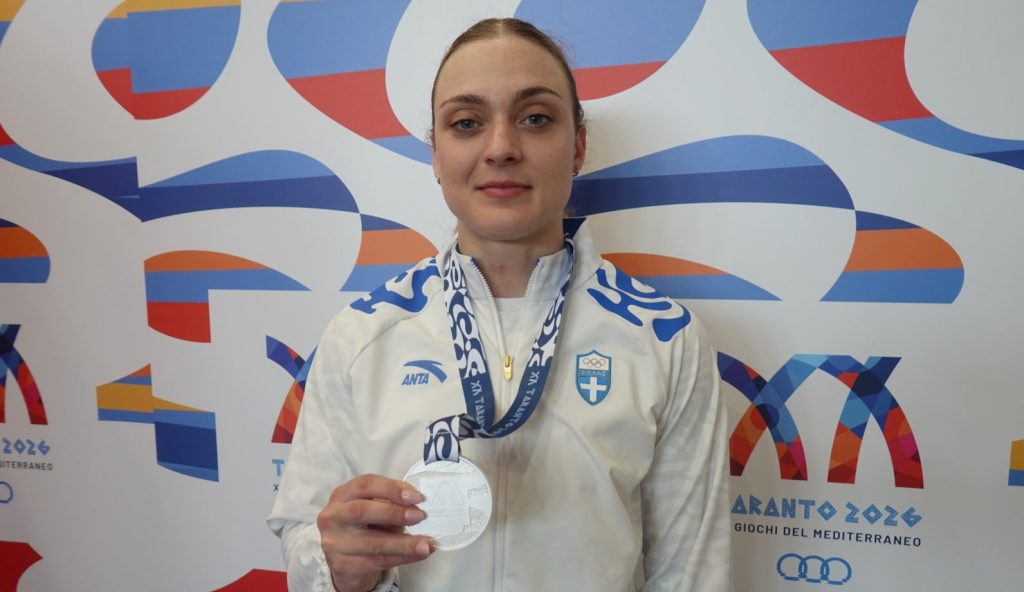
Despoina Polaktsidou, Taranto 2026
Polaktsidou wants these concerns to receive greater attention within the IWF. She believes athletes’ experiences should inform policies that support them throughout their careers, recognising that not everyone begins their sporting journey with the same resources and opportunities.
Gender equality is another issue she wants to address. As a woman in weightlifting, Polaktsidou believes the challenges facing female athletes are not always sufficiently recognised or understood.
“I also believe that women should feel safe, respected and supported throughout their sporting careers, and that their perspectives should be part of the conversations and decisions that shape our sport.”
She argues that meaningful representation requires listening to women from different countries and backgrounds, recognising that their circumstances and concerns may differ, and ensuring their experiences are reflected in the commission’s discussions.
“If elected, I would work to encourage open dialogue, listen carefully to the experiences of women from different countries and backgrounds, and bring their concerns into the discussions of the Athletes Commission.”
Her priorities raise a broader question for international sports governance: can athletes’ commissions become effective channels of influence, or will their impact continue to depend on the willingness of governing bodies to listen?
Across the Olympic movement, athlete welfare, accountability and participation in shaping policies remain important issues. For Polaktsidou, the real test of representation is whether athletes can influence policies before they are finalised, rather than simply being informed of decisions after the fact.
Ten athletes will be elected from the 17 candidates during the World Weightlifting Championships in Ningbo. Polaktsidou hopes to bring her experience of athlete representation at European level to the world stage and help ensure that mental health, financial pressures, gender equality and life after competition receive greater attention when decisions about the sport’s future are made.
 Last related articles