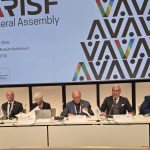
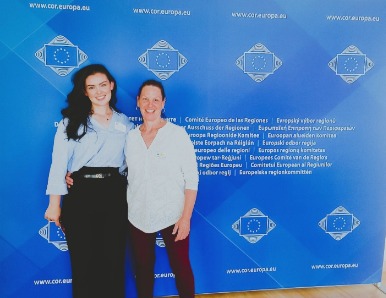
The European Weightlifting Federation -EWF- took part in the Annual Partners Meeting organised by the European Olympic Committees EU Office -EOC EU Office- in Brussels, a forum focused on European sport policy, funding, governance and future priorities for the European Sport Model. The federation was represented by Denise Offermann, EWF project coordinator and member of its Technical Committee, who later prepared a report on the main topics discussed during the meeting.
The EWF’s presence is significant because the federation has joined this space as a new member of the EOC EU Office and is seeking to open a more direct phase of cooperation with the European institutional environment. For continental weightlifting, the meeting was not only a follow-up event, but also a way to identify funding opportunities, prepare future applications for European programmes and position sports federations as actors capable of turning European Union objectives into concrete projects.
The EOC EU Office as a bridge between sport and the European Union
The EOC EU Office acts as the representation office of the European Olympic Committees -EOC- before the European institutions and as a support platform for sports organisations on EU policy, projects, funding and regulatory matters. Its Annual Partners Meeting brought together partner organisations to share updates on European Union funding opportunities, policy areas and open issues in international sport, including the participation of Russian and Belarusian athletes in competitions.
One of the central points was the next Multiannual Financial Framework -MFF- 2028-2034, the European Union’s long-term budget. The discussion followed the line of the event held on 4 June by the European Committee of the Regions -CoR- and the EOC, where they argued that sport should be included across all European funding instruments in the new budget cycle. This approach presents sport as a strategic investment for a more resilient Europe, with social impact, regional development and direct benefits for communities.
 Funding, mobility and European projects for weightlifting
Offermann’s report underlines the importance of recognising not only national Olympic committees, but also national and European sports federations, as key actors in bringing European objectives into practice. For the EWF, that reading could open lines of work in training, youth athlete development, coach mobility, knowledge transfer, equal opportunities, sustainability and support for national structures.
The meeting also allowed partners to review projects already active within the EOC EU Office ecosystem, such as STRONG, focused on athletes’ rights; OCEAN, linked to carbon neutrality; SAFE HARBOUR, aimed at protection and response mechanisms for safeguarding concerns; and programmes related to gender equality in leadership positions within European sports authorities. For the EWF, these examples offer references to design its own initiatives beyond the competition calendar.
EWF points to its first joint initiatives
One of the most practical elements of the report is the possibility of exploring Erasmus+ Sport projects. Offermann notes that the new framework proposes expanding mobility activities beyond staff to also include athletes, coaches and grassroots participants. That line would allow the EWF to study exchange programmes, technical training, capacity building and cooperation among member federations, with a more structured vision for the growth of European weightlifting.
The EWF has indicated that it expects to continue expanding its cooperation with the EOC EU Office and to develop its first joint EWF–EOC/EU initiatives and activities. The report also proposes an in-person meeting in Kosovo to begin building proposals for European sport funding and highlights the need for a six-year working plan in areas where European weightlifting needs to improve in order to sustain healthy, coherent and consistent development.
 Last related articles