Sustainability is moving to the centre of the Mediterranean Games agenda, with Iakovos Filippousis, Secretary General of the International Committee of the Mediterranean Games, calling for a new approach to how the success and legacy of the event are measured.
Speaking at a sustainability seminar in Taranto during the 20th Mediterranean Games, Filippousis addressed ICMG members, senior city officials and academics, stressing that sustainability can no longer be treated as an additional consideration in the organisation of major sporting events.
“For the Mediterranean Games, the responsibility has particular meaning,” Filippousis said, pointing to the unique identity of a sporting movement built around a region and a sea that connects nations, communities, economies and ecosystems.
His message comes as the Mediterranean faces growing environmental pressures, including climate change, pressure on natural resources, marine pollution and biodiversity loss. For the ICMG, the Games offer more than a sporting platform. They can also become a vehicle for raising awareness and encouraging practical action across the region.
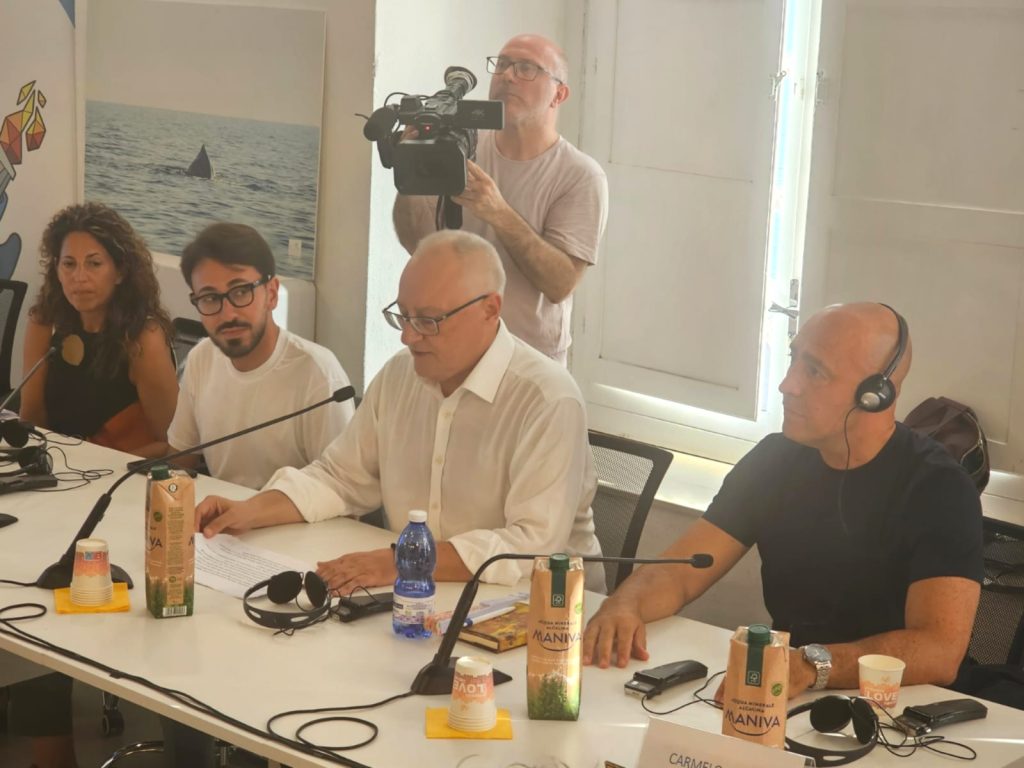
ICMG Secretary General on Sustainability
Filippousis argued that sustainability must be understood in its broadest sense. Reducing the environmental footprint of the Games means improving resource efficiency, promoting sustainable mobility, responsible procurement, waste reduction and circular-economy practices. At the same time, he stressed the need to protect the Mediterranean Sea and its biodiversity.
But the ICMG’s approach extends beyond the environment. Filippousis placed people and communities at the centre of the sustainability agenda, highlighting inclusion, accessibility, gender equality, safeguarding and well-being as essential elements of a successful Games.
The question of legacy is equally important. According to Filippousis, the benefits of hosting the Mediterranean Games should not disappear when the competitions end. Social and economic opportunities, knowledge, partnerships and infrastructure should continue to benefit host communities long after the athletes have left.
That vision also recognises the diversity of the Mediterranean. Host cities do not share identical circumstances, and Filippousis said the ICMG should not attempt to impose a single model. Instead, common principles should provide a framework within which each organising committee can develop solutions suited to its own environmental, social and economic realities.
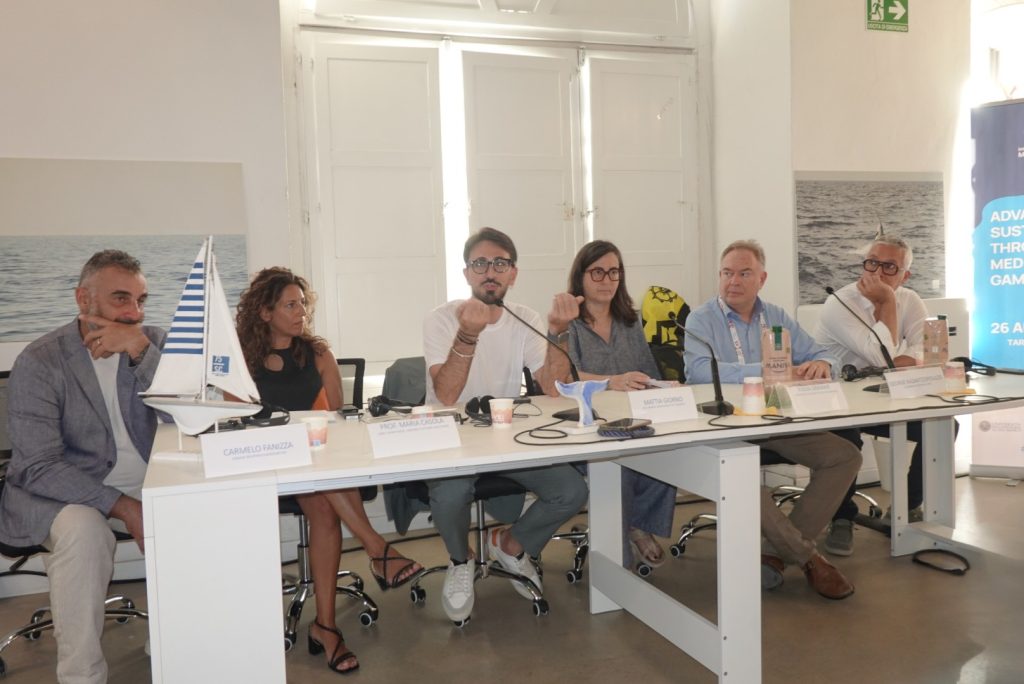
Sustainability experts – Taranto
The bigger challenge is turning those principles into measurable results. “What matters is that we move from commitment to implementation and from good intentions to measurable impact,” Filippousis said, placing accountability at the heart of the ICMG’s sustainability ambitions.
Taranto 2026 now provides an important opportunity to put that approach into practice. The 20th edition can demonstrate how sporting excellence can be combined with environmental responsibility, social value and a meaningful long-term legacy.
For the ICMG, however, the objective extends beyond one edition. If each host city learns from the experience of the previous Games and passes that knowledge to the next, the Mediterranean Games could develop into a long-term catalyst for sustainable development across the region.
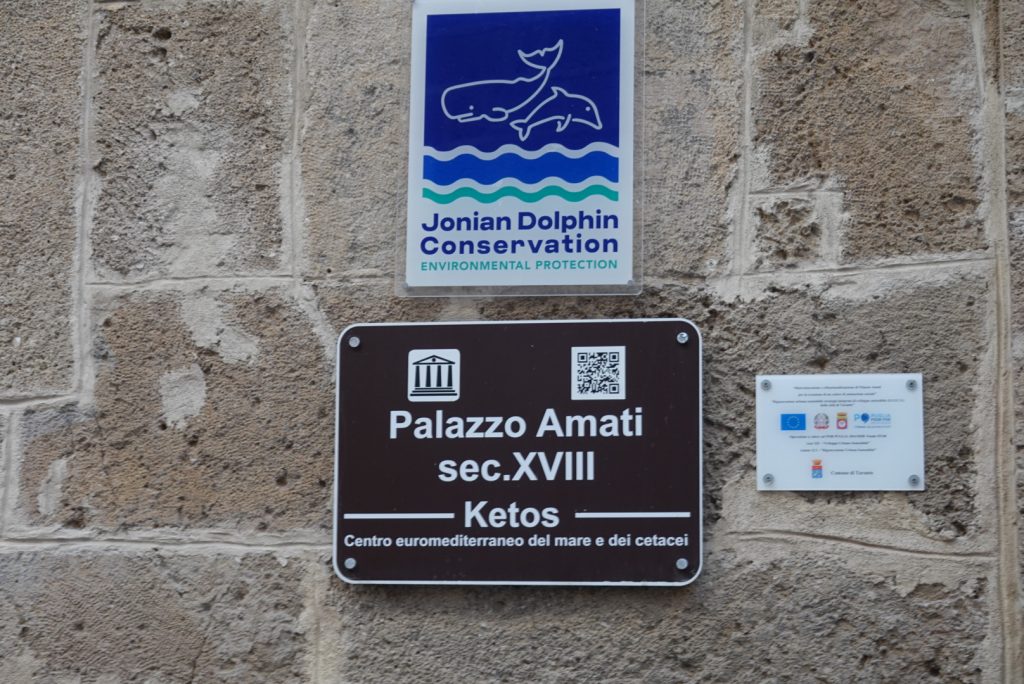
Dolphin Research Centre
 Last related articles