A new agreement between the International Judo Federation, Kazakhstan’s Ministry of Science and Higher Education and the Jenys International Sports Foundation highlights a growing effort to integrate sport into academic life.
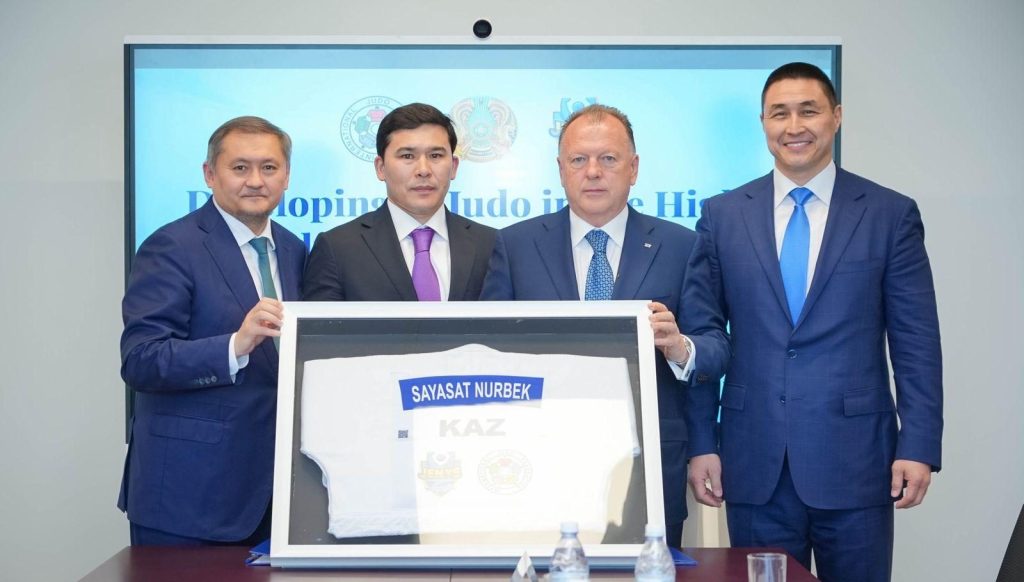
The memorandum, signed by IJF President Marius Vizer and Minister Sayasat Nurbek, sets out plans to introduce structured judo programmes across universities in Kazakhstan. The initiative is designed to position judo not only as a competitive sport but as part of a broader educational framework for students.
Under the agreement, universities are expected to develop both practical and theoretical judo courses, alongside coaching systems, competitions and dedicated coordination structures. The aim is to create wider access for students while embedding the sport’s core values into university life.
Judo was founded by Jigoro Kano as a discipline that combines physical training with personal development, and officials involved in the project say those principles remain central to the initiative. They argue that qualities such as discipline, resilience and mutual respect can complement academic education and better prepare students for professional and social challenges.

Kazakhstan has increasingly invested in judo in recent years, building its presence on the international stage. Bringing the sport into higher education is seen as a way to strengthen that progress by creating a more consistent pathway for talent development.
The IJF is expected to support the programme through coaching education, technical expertise and the organisation of competitions and training camps. The federation’s involvement suggests the project could serve as a model for similar initiatives in other countries.
Supporters say the move also reflects wider pressures on universities to address student wellbeing and develop transferable skills beyond traditional academic learning. Closer links between sport and education, they argue, could help respond to those challenges.
The programme will be rolled out through seminars, training camps and university events, with further initiatives expected as it develops. Its impact will depend largely on how effectively it is implemented at institutional level and sustained over time.
If successful, the partnership could offer a framework for incorporating sport more deeply into higher education systems, both in Kazakhstan and beyond.
 Last related articles