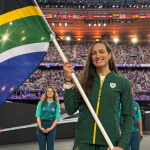
Swimmer Tatjana Smith’s decision to switch from representing South Africa to competing for the Netherlands has caused a stir that has reached the country’s sports minister, Gayton McKenzie. This week, he asked SASCOC, South Africa’s Olympic body, to investigate Swimming South Africa. The inquiry will examine how the federation treated the two-time Olympic champion, particularly in a dispute over her prize money and sponsorship.
Smith, who won two Olympic golds and two silvers, said financial difficulties were behind her decision. According to McKenzie, the federation withheld her prize money from the 2023 World Championships in Fukuoka because she wore a swimsuit and goggles supplied by her personal sponsor. The minister said Smith had to enlist lawyers to secure payment before the Paris Olympics. These allegations are now under scrutiny, and the investigation will have to establish how the dispute reached that point. Did the federation push too hard? Or did Smith put her own interests first, overlooking the contribution her compatriots, including those at the federation, had made to her success?
Tension between federation and athlete
The dispute reflects a familiar tension between federations’ commercial agreements and their athletes’ individual sponsorship contracts. Both can help fund the sport, but the rights each agreement grants need to be clear. In any case, the athlete and the federation should settle those terms before a championship begins. In Spain, badminton player Carolina Marín, a world and Olympic champion, spent much of her career at odds with a federation that struggled to keep pace with the interest and commercial opportunities she generated.
The minister’s intervention looks likely to accelerate efforts to improve conditions for athletes who remain in the South African system. They need to know how prize money is paid, what protection their personal sponsorship agreements carry and where they can raise a complaint without putting their careers at risk. Retaining talent means making it professionally viable for athletes to represent their country, alongside the emotional ties that draw them to do so.
 Last related articles