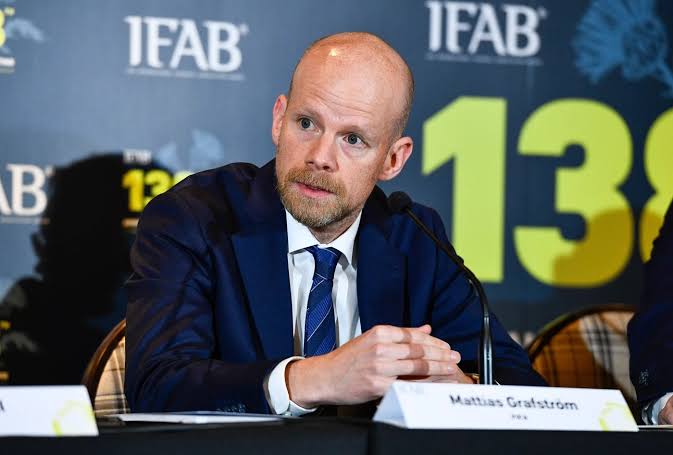
The Union of European Football Associations -UEFA- has asked the Fédération Internationale de Football Association -FIFA- to provide written answers to 42 questions covering twelve governance topics by 2 November. The letter, sent on 19 October by UEFA general secretary Theodore Theodoridis to his counterpart Mattias Grafström, addresses the abandoned FIFA Forward Enterprise -FFE- project, the FIFA Peace Prize and decisions relating to Gianni Infantino’s presidency. ‘Reuters’, which has examined the document, confirmed the request on Tuesday.
FIFA has said it will answer questions from its Council members, although it has not publicly confirmed that it will meet the requested deadline. It has also cited the confidentiality of meetings and their documentation to explain why it will not discuss internal communications with the media. The disagreement now centres on the timing and scope of the explanations: Infantino had invited written questions to be addressed at the Council meeting on 16 December, while UEFA wants answers and supporting documents beforehand.
Answers about decisions already taken
Theodoridis sent the letter on behalf of the European Council members, who consider the explanations provided at the 15 October meeting insufficient. The request calls for a substantive response to each question, accompanied by documentation, and an individual justification for any refusal to disclose information. “These questions require answers now,” the letter states. UEFA distinguishes reform of future rules from scrutiny of past decisions and argues that governance work cannot replace accountability for the actions that triggered the dispute.
The questionnaire extends beyond FFE. The issues described by ‘Associated Press’ include Infantino’s remuneration, payments to singer Marc Anthony, business and political relationships involving Donald Trump and his associates, and the operational independence of FIFA’s judicial, electoral and ethics bodies. It also covers the handling of Folarin Balogun’s disciplinary case, in which a one-match ban following his World Cup dismissal was suspended for a one-year probationary period. The requests seek to establish who was involved in those decisions, what approvals were obtained and how internal controls operated.
What FIFA has set in motion
The Council approved action on several of those issues on 15 October. Infantino apologised for mistakes in the preparation and communication of FFE and said the project had been permanently withdrawn. Members agreed to establish a working group with representatives from across the confederations to examine FIFA’s governance framework. The Football Social Responsibility Committee will assess the FIFA Peace Prize, with a decision expected in December, while the Legal Committee will review disciplinary procedures and present its work at the next Council meeting.
The European request calls for those reviews to be accompanied by a documentary account of what happened. Knowing when a proposal was developed, who negotiated its terms and what information the relevant bodies received allows an assessment of how the institution operates. Those findings can also inform reform: identifying where consultation or approval fell short helps establish which procedures need to change. The Council’s ability to exercise oversight depends on receiving sufficient information in good time, particularly when assessing commercial transactions or actions taken by the presidency.
From the commercial project to the election timetable
The dispute originated with FFE, a proposal to create a company managing the commercial interests of FIFA competitions and sell a minority stake to private investors. Its preparation prompted criticism over consultation with FIFA’s governing bodies. In October, external lawyers briefed the Council on the project’s legal background; FIFA is keeping those details confidential because of ongoing proceedings in the United States. That confidentiality raises a further issue for the pending response: which documents can be shared with Council members, and under what conditions, while the legal proceedings continue.
The requested deadline places the response within the presidential election timetable: 2 November falls sixteen days before nominations close on 18 November, with the election scheduled for 18 March 2027. Answering in November rather than December changes the information available during the nomination period. Explanations of the decisions under scrutiny could influence assessments of Infantino’s leadership and the reform proposals put forward by potential challengers. UEFA wants that information during preparations for the election, ahead of the next Council meeting.
 Last related articles